
Anúncios
Crochet is a timeless craft that blends creativity, relaxation, and the joy of making beautiful handmade pieces with your own hands.


Whether you’re a complete beginner or someone looking to refine your skills, learning to crochet opens up a world of possibilities. From cozy blankets and stylish garments to delicate doilies and modern home décor, crochet allows you to express your personality through yarn and hook.
Anúncios
In this comprehensive guide, we’ll explore everything you need to know to start creating beautiful crochet pieces. You’ll discover essential techniques, inspiring project ideas, helpful tips, and the resources that will transform you from a curious beginner into a confident crocheter. Let’s dive into this wonderful craft! 🧶
Why Learning Crochet Is Worth Your Time
Crochet offers far more than just a creative outlet. It’s a meditative practice that reduces stress, improves focus, and provides a profound sense of accomplishment. Each stitch you create is a small victory, and each completed project becomes a treasured item or thoughtful gift.
Anúncios
The beauty of crochet lies in its accessibility. Unlike many crafts that require expensive equipment or specialized spaces, crochet requires only a hook, some yarn, and your hands. You can practice anywhere—on your couch, during your commute, or in a cozy café.
Moreover, the crochet community is incredibly welcoming and supportive. Online forums, social media groups, and local clubs offer endless inspiration, troubleshooting help, and friendship. You’ll never feel alone on your crochet journey.
Essential Tools Every Beginner Needs
Starting your crochet adventure doesn’t require a massive investment. Here are the fundamental tools you’ll need to create your first beautiful pieces:
- Crochet hooks: Available in various sizes and materials (aluminum, bamboo, ergonomic), hooks are measured in millimeters or by letter/number systems
- Yarn: Begin with medium-weight (worsted) yarn in light colors to easily see your stitches
- Scissors: A small, sharp pair for cutting yarn cleanly
- Tapestry needle: Used for weaving in ends and sewing pieces together
- Stitch markers: Helpful for keeping track of your place in patterns
- Measuring tape: Essential for checking gauge and dimensions
As you progress, you might add items like row counters, blocking mats, or specialized hooks, but these basics will serve you well for countless projects. Quality tools make the learning process smoother, but you don’t need premium equipment to start.
Understanding Basic Crochet Stitches 🪡
Every beautiful crochet piece begins with mastering fundamental stitches. These building blocks combine in countless ways to create intricate patterns and textures.
The Foundation: Chain Stitch
The chain stitch forms the foundation of almost every crochet project. It’s created by pulling loops of yarn through other loops, forming a connected series. Practice creating even, consistent chains—this skill underlies everything else you’ll learn.
Most patterns begin with a foundation chain that determines your project’s width. Learning to count chains accurately prevents frustration later when your piece doesn’t match the intended size.
Single Crochet: Your Reliable Workhorse
Single crochet creates a tight, dense fabric perfect for amigurumi, dishcloths, and sturdy items. It’s typically the first stitch beginners learn after the chain. The technique involves inserting your hook, pulling up a loop, and completing the stitch with one motion.
This versatile stitch appears in countless patterns and provides excellent practice for maintaining consistent tension—the key to professional-looking work.
Double Crochet: Height and Speed
Double crochet works up faster than single crochet and creates a more open, drapey fabric. It’s ideal for blankets, scarves, and garments. The extra yarn over before inserting your hook creates additional height and a different texture.
Many classic patterns rely heavily on double crochet because it balances speed with structure beautifully.
Reading Crochet Patterns Like a Pro
Crochet patterns might initially look like mysterious code, but they follow logical conventions that become second nature with practice. Understanding abbreviations, symbols, and pattern structure unlocks thousands of designs.
Standard abbreviations include ch (chain), sc (single crochet), dc (double crochet), and many others. Most patterns include an abbreviation key, so don’t worry about memorizing everything immediately.
Patterns typically provide gauge information—the number of stitches and rows per inch using specified yarn and hook size. Matching gauge ensures your finished piece matches the intended dimensions. Always create a test swatch before starting large projects.
Brackets and asterisks indicate repeated sections. Instructions like “*dc 2, sc 1* repeat 4 times” tell you to work that sequence four times total. Recognizing these conventions saves time and prevents confusion.
Beautiful Beginner Projects to Start Your Journey
Choosing the right first projects sets you up for success and keeps motivation high. These beautiful pieces teach essential skills while creating items you’ll actually use or gift.
Dishcloths and Washcloths
These small, quick projects let you practice basic stitches without committing to weeks of work. Use cotton yarn for absorbency, and experiment with different stitch patterns. A finished dishcloth takes just hours and makes a practical addition to any kitchen.
The small scale means you can try new techniques without wasting materials if mistakes happen. Plus, handmade dishcloths make thoughtful housewarming gifts! 🏠
Simple Scarves
A basic scarf teaches you to maintain consistent width and tension over longer pieces. Choose soft yarn in colors you love, and work in simple stitches. The repetitive nature builds muscle memory while creating a wearable accessory.
Scarves forgive minor mistakes—slight irregularities blend into the overall texture. You’ll finish with confidence and a cozy piece for chilly weather.
Granny Squares
These iconic motifs combine multiple stitches in the round, teaching you to work in circles rather than rows. Individual squares work up quickly, and you can join them later into blankets, bags, or cushion covers.
Granny squares offer endless creative possibilities through color combinations and arrangements. They’re addictive—you’ll likely find yourself making “just one more” square repeatedly!
Advancing Your Skills with Intermediate Techniques
Once you’ve mastered the basics, intermediate techniques add sophistication and variety to your crochet repertoire. These skills open doors to more complex and visually stunning projects.
Color Work and Stripes
Introducing multiple colors transforms simple stitches into eye-catching designs. Learn to carry yarn along edges, change colors cleanly, and manage multiple yarn balls simultaneously. Striped blankets and colorful shawls become achievable goals.
Color theory principles help you select harmonious combinations. Experiment with gradients, contrasts, and unexpected pairings to develop your unique aesthetic.
Texture Stitches
Beyond basic stitches, textured patterns like bobbles, popcorns, cables, and clusters create dimensional, tactile fabric. These techniques add visual interest and professional polish to your work.
Textured afghans, sculptural garments, and modern home accessories showcase these skills beautifully. Each new stitch pattern expands your creative vocabulary.
Working in the Round
Creating seamless tubes and flat circles enables you to make hats, amigurumi, baskets, and more. Understanding increases and decreases maintains proper shaping, whether you’re creating a flat circle or a cylindrical form.
This technique eliminates seaming for many projects, creating cleaner finishes with less finishing work.
Creating Wearable Crochet Fashion ✨
Crochet garments combine functionality with artistic expression. From delicate lacy shawls to cozy sweaters, handmade clothing makes powerful fashion statements.
Start with simple accessories like headbands, fingerless gloves, or cowls before tackling full garments. These smaller wearables teach shaping and sizing principles without overwhelming complexity.
When you’re ready for garments, choose patterns designed for your skill level and body measurements. Proper fit makes the difference between a piece you wear constantly and one that languishes in your closet.
Lightweight yarns create breathable summer tops and beach cover-ups, while chunky wool makes warm winter sweaters and cardigans. The yarn you choose dramatically affects your finished garment’s drape, warmth, and appearance.
Home Décor That Showcases Your Talent
Crochet home items blend functionality with beauty, adding handmade warmth to living spaces. These projects often become conversation pieces and family heirlooms.
Blankets and Throws
Nothing says “cozy” like a handmade blanket draped over furniture or wrapped around shoulders. From simple striped designs to elaborate mosaic patterns, blankets let you practice consistency across large projects.
Consider temperature blankets that use different colors to represent daily temperatures throughout a year—both a creative challenge and a meaningful memory keeper.
Cushion Covers and Pillows
Quick to complete yet impactful, cushion covers let you refresh room décor seasonally. Experiment with bold colors, interesting textures, or intricate stitch patterns. They’re perfect for using specialty yarns you might not want to invest in for larger projects.
Baskets and Storage Solutions
Sturdy crochet baskets organize everything from toys to craft supplies. Using cotton or jute yarn creates functional pieces with rustic charm. These projects teach you to maintain tension for structural integrity.
Troubleshooting Common Crochet Challenges
Every crocheter encounters obstacles. Understanding common issues and their solutions keeps frustration at bay and skills progressing.
Tension problems: If your work is too tight or too loose, adjust how you hold your yarn. Consistent tension develops with practice—be patient with yourself during the learning curve.
Losing count: Stitch markers and row counters solve this universal problem. Place markers at intervals to section off your work, making counting easier and mistakes more obvious.
Curved edges: When rectangular pieces curve unexpectedly, you’re likely adding or dropping stitches unintentionally. Count frequently and ensure you work into the correct stitch at row ends.
Pain or discomfort: Hand, wrist, or shoulder pain signals the need for ergonomic adjustments. Take regular breaks, use ergonomic hooks, and maintain good posture. Your crochet hobby should bring joy, not injury.
Finding Inspiration and Continuing Education 📚
The learning never stops in crochet—there’s always a new technique to master or pattern to try. Fortunately, incredible resources exist to fuel your creative growth.
YouTube offers countless video tutorials showing techniques from multiple angles and at various speeds. Visual learning often clarifies what written instructions can’t convey. Follow several instructors to find teaching styles that resonate with you.
Crochet blogs and websites publish free patterns, technique articles, and community features. Many designers offer detailed photo tutorials alongside their patterns, supporting your learning journey.
Social media platforms like Instagram and Pinterest overflow with inspiration. Search hashtags related to your interests, save ideas to collections, and connect with makers worldwide. The global crochet community shares generously and celebrates everyone’s progress.
Mobile apps provide pattern libraries, stitch dictionaries, and project management tools right at your fingertips. Some apps offer interactive tutorials and personalized learning paths that adapt to your skill level.
Building Your Yarn Stash Wisely
Every crocheter develops a yarn collection, but strategic stashing prevents waste and ensures you have materials for spontaneous creativity.
Buy yarn with specific projects in mind initially. Impulse purchases of beautiful yarn without plans often result in forgotten skeins taking up space. Once you understand your preferences and common project types, strategic stocking makes sense.
Organize by weight, fiber content, or color to easily locate what you need. Clear bins, shelving systems, or decorative baskets keep your stash accessible and inspiring rather than overwhelming.
Consider yarn substitution carefully. Different fibers behave differently—substituting cotton for wool dramatically changes drape, warmth, and stretch. Ravelry’s yarn database helps identify suitable alternatives when specific yarns aren’t available.
Joining the Crochet Community
Crochet connects you with like-minded creators who share your passion. This community aspect enriches your hobby beyond the physical act of stitching.
Local yarn shops often host stitch-and-chat sessions, classes, and special events. These gatherings provide in-person support, skill-sharing, and friendship. Shop owners and staff offer invaluable expertise and personalized recommendations.
Online communities span the globe, offering 24/7 connection with fellow crocheters. Forums like Ravelry, Reddit’s crochet subreddit, and Facebook groups provide spaces to share finished objects, ask questions, and participate in challenges or crochet-alongs.
Charitable crochet organizations channel your hobby toward meaningful causes. Groups create blankets for shelters, hats for cancer patients, or octopi for premature babies. Contributing your skills to help others adds purpose and fulfillment to your crafting time.
Transforming Mistakes into Learning Opportunities
Every “mistake” in crochet teaches valuable lessons. Dropped stitches, wonky edges, and tension irregularities are growth opportunities, not failures.
Embrace the learning process rather than demanding perfection. Your first dishcloth might have uneven edges, but your tenth will show remarkable improvement. Progress happens through doing, not through avoiding mistakes.
Learn to “read” your work—identifying different stitches by sight, spotting errors early, and understanding how to fix them. This skill develops gradually but becomes invaluable for complex projects.
Sometimes “mistakes” create happy accidents—unexpected color combinations, interesting textures, or design modifications that become signature elements. Stay open to improvisation and trust your creative instincts. 💫
Caring for Your Beautiful Crochet Creations
Proper care preserves your handmade pieces for years of enjoyment. Different fibers require different approaches, so always check yarn labels for care instructions.
Hand washing in cool water with gentle detergent protects most crochet items. Avoid wringing or twisting—instead, press out excess water and lay flat to dry. This prevents stretching and maintains shape.
Blocking transforms finished pieces from homemade to handmade. This process involves wetting and pinning items to specific dimensions, creating crisp edges and even stitches. Lacy shawls and doilies particularly benefit from blocking.
Store items properly to prevent damage. Moths love natural fibers, so use cedar, lavender, or proper moth deterrents when storing wool items long-term. Keep crochet pieces away from direct sunlight to prevent fading.
The Meditative Benefits of Regular Practice
Beyond creating beautiful objects, crochet offers profound mental health benefits. The repetitive motions induce a meditative state that reduces anxiety and promotes mindfulness.
Focusing on stitches quiets racing thoughts and grounds you in the present moment. This mindful attention provides a break from digital overstimulation and constant connectivity.
Completing projects boosts self-esteem and confidence. Each finished piece represents dedicated effort and growing skill. Displaying or gifting your work shares this accomplishment with others.
The crafting community provides social connection that combats isolation. Whether online or in person, sharing your hobby with others fulfills the human need for belonging and mutual support.
Setting Achievable Goals for Skill Development
Intentional goal-setting accelerates your crochet progress. Rather than aimlessly working random projects, targeted objectives build specific skills systematically.
Set both short-term and long-term goals. Short-term objectives might include learning a new stitch this week or completing a small project by month’s end. Long-term goals could involve creating a wearable garment, mastering colorwork, or designing your first pattern.
Challenge yourself gradually—choose projects slightly beyond your current comfort zone. This sweet spot between boredom and overwhelm maximizes learning and maintains engagement.
Document your journey through photos, journals, or social media. Looking back at early projects reveals how far you’ve come and motivates continued growth.
Embracing Your Creative Crochet Journey
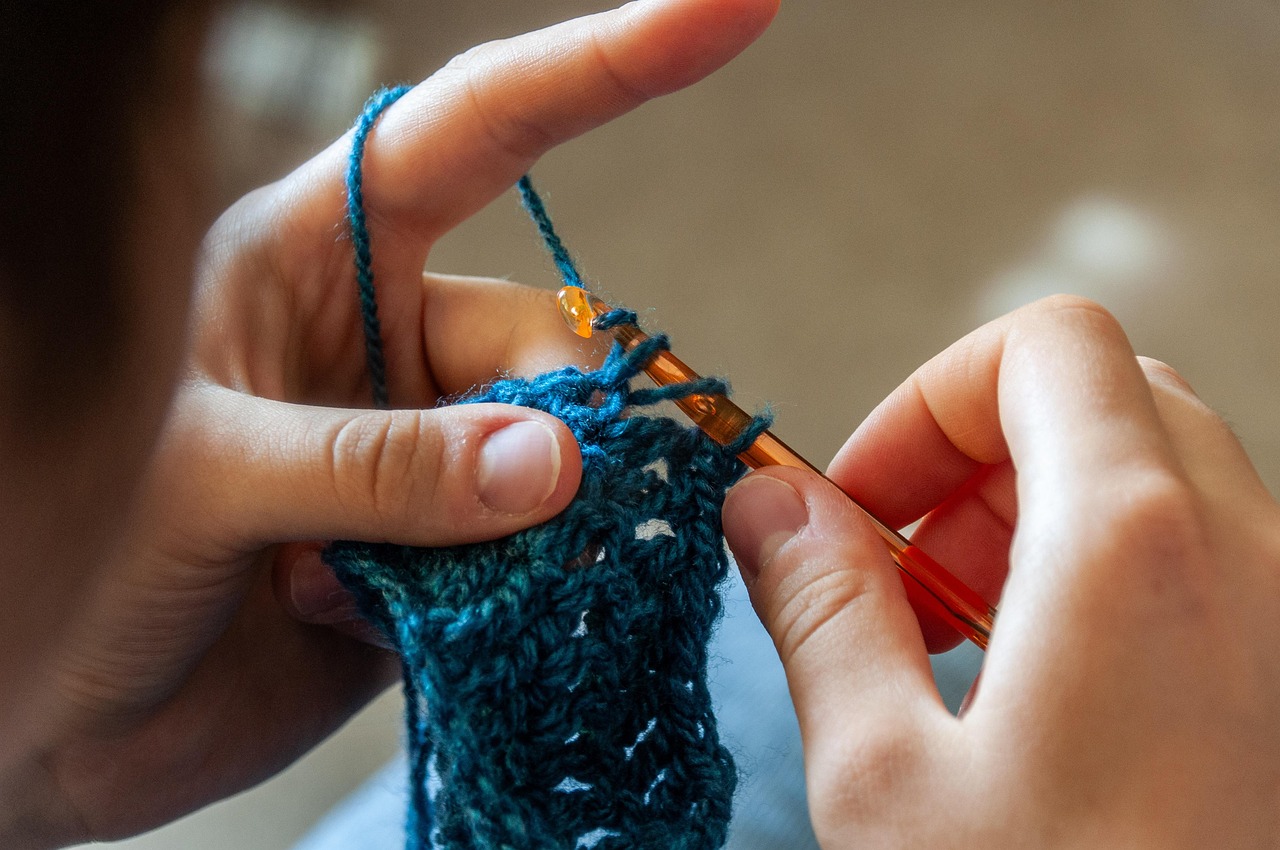
Learning to crochet beautiful pieces is a journey of continuous discovery. Each project teaches new lessons, every mistake refines your skills, and the creative possibilities remain endless no matter how experienced you become.
Your crochet journey is uniquely yours. Some crocheters focus on garments, others on amigurumi, and still others on home décor. Some prefer following patterns precisely while others improvise freely. There’s no single correct path—only the one that brings you joy and fulfillment.
The beauty of crochet extends beyond the finished objects. It’s found in quiet evenings with hook and yarn, in the satisfaction of solving pattern puzzles, and in the community connections you form. These intangible rewards enrich your life in ways both expected and surprising.
Start today with a simple chain stitch. Practice basic techniques with curiosity rather than judgment. Connect with the supportive crochet community for encouragement and inspiration. Before long, you’ll be creating beautiful pieces that reflect your growing skill and unique creative voice.
Remember that every expert crocheter once held a hook for the first time with uncertain hands. Your willingness to begin places you on the same path traveled by millions who’ve discovered the magic of transforming yarn into beautiful, functional art. Pick up your hook, choose your yarn, and let your crochet adventure begin! 🎨🧶
