
Anúncios
Learning to cook is no longer a luxury but an essential life skill that can transform your daily routine, health, and social life in remarkable ways.


The kitchen has become a space of creativity and self-expression where individuals of all skill levels can develop confidence through practice and patience.
Anúncios
Whether you’re a complete beginner or someone looking to refine existing culinary abilities, mastering basic cooking techniques opens doors to endless possibilities.
The journey from intimidation to inspiration begins with understanding fundamental principles that professional chefs have relied upon for generations.
Anúncios
Modern cooking education has evolved beyond traditional methods, offering accessible pathways for anyone willing to invest time in learning.
The barriers that once made cooking seem complicated have been dismantled through simplified instruction methods, better kitchen equipment, and comprehensive resources available at our fingertips.
This democratization of culinary knowledge means that preparing restaurant-quality meals at home is now within everyone’s reach.
🍳 Understanding the Foundation: Essential Cooking Principles
Every accomplished cook started exactly where you are today, and their success stemmed from mastering fundamental concepts before attempting complex recipes. The foundation of good cooking rests on understanding heat application, ingredient interaction, and timing coordination. These three pillars support every culinary creation from simple scrambled eggs to elaborate multi-course dinners.
Heat management represents the most critical skill in cooking, as temperature control determines texture, flavor development, and food safety. Different cooking methods require distinct heat levels and application durations. Sautéing demands high heat for quick cooking while maintaining ingredient integrity, whereas braising requires lower temperatures over extended periods to tenderize tougher cuts of meat. Understanding when to use direct versus indirect heat separates mediocre results from exceptional outcomes.
Ingredient quality and preparation directly impact final dish quality, making shopping and prep work as important as actual cooking time. Fresh produce, properly stored proteins, and quality seasonings form the backbone of memorable meals. Learning to identify freshness indicators at markets, understanding seasonal availability, and recognizing when ingredients have passed their prime ensures your efforts in the kitchen yield consistently excellent results.
📱 Digital Tools That Accelerate Your Culinary Education
Technology has revolutionized cooking education by providing instant access to thousands of recipes, technique demonstrations, and personalized meal planning solutions. Mobile applications dedicated to culinary instruction offer step-by-step guidance that adapts to your skill level and available ingredients. These digital companions transform smartphones into comprehensive cooking assistants that guide you through every stage of meal preparation.
Recipe applications featuring video tutorials allow visual learners to observe proper techniques before attempting them independently. Watching professionals demonstrate knife skills, ingredient handling, and plating methods provides clarity that written instructions alone cannot convey. Many platforms incorporate timer functions, measurement conversions, and shopping list generators that streamline the entire cooking process from planning to execution.

Meal planning applications help organize weekly menus based on dietary preferences, nutritional requirements, and budget constraints. These tools eliminate decision fatigue by suggesting complementary dishes and automatically generating consolidated shopping lists. The ability to save favorite recipes, annotate instructions with personal notes, and track cooking history creates a personalized culinary reference library that grows alongside your skills.
🔪 Mastering Knife Skills: The Gateway to Efficiency
Proper knife handling separates confident cooks from hesitant beginners, and developing this skill dramatically reduces preparation time while improving safety. A sharp chef’s knife represents the most important tool in any kitchen, enabling precise cuts that ensure even cooking and professional presentation. Investing in quality cutlery and learning correct techniques pays dividends through years of efficient meal preparation.
The basic cuts every cook should master include dicing, mincing, julienne, and chiffonade, each serving specific culinary purposes. Dicing creates uniform cubes that cook evenly, essential for soups, stews, and sautéed dishes. Mincing produces extremely fine pieces ideal for garlic, ginger, and herbs that need to distribute flavor throughout dishes. Julienne creates matchstick-shaped vegetables perfect for salads and stir-fries, while chiffonade produces delicate ribbons of leafy herbs and greens.
Safety protocols prevent injuries and build confidence during ingredient preparation sessions. Maintaining a stable cutting board through damp towel placement, using the claw grip to protect fingertips, and keeping blades sharp rather than dull all contribute to safer cooking experiences. Regular honing maintains blade alignment between professional sharpening sessions, ensuring your knife performs optimally during every use.
🌡️ Temperature Control: The Secret to Perfect Results
Understanding thermal dynamics transforms cooking from guesswork into predictable science, allowing consistent reproduction of successful dishes. Different proteins require specific internal temperatures to achieve food safety while maintaining optimal texture and moisture. Beef reaches medium-rare perfection at 135°F, chicken requires 165°F for safety, and fish becomes flaky at 145°F, with each degree making noticeable differences in final quality.
Preheating pans before adding ingredients creates proper searing conditions that lock in juices and develop flavorful crusts. Cold proteins hitting hot surfaces undergo the Maillard reaction, producing complex flavors and appealing caramelization. Patience during this preheating phase prevents sticking, ensures even cooking, and produces restaurant-quality results that impress both family and guests.
Resting cooked proteins after heat exposure allows internal juices to redistribute throughout the meat, preventing moisture loss when cutting. This crucial step, often overlooked by beginners, makes the difference between dry, disappointing results and succulent, flavorful servings. Tenting aluminum foil over resting meat maintains temperature while the carryover cooking phenomenon continues raising internal temperature several degrees.
🥘 Building Flavor: Layering Techniques That Professionals Use
Complex flavor profiles develop through strategic ingredient addition at specific cooking stages rather than combining everything simultaneously. Aromatics like onions, garlic, and celery form the flavor foundation when properly sweated in fat before other ingredients join the pan. This technique, fundamental to French cuisine, creates depth that permeates entire dishes rather than leaving ingredients tasting separate and disconnected.
Deglazing pans with wine, stock, or other liquids dissolves flavorful browned bits stuck to cooking surfaces, incorporating them back into sauces and gravies. This simple technique rescues flavor that would otherwise be discarded, adding complexity to even basic preparations. The sizzling liquid lifts caramelized proteins and sugars from the pan bottom, creating rich bases for reductions and finishing sauces.
Seasoning adjustments throughout cooking rather than only at the end allow flavors to develop harmoniously and integrate completely. Salt added early enhances ingredient natural flavors and affects texture development, while final seasoning adjustments balance the completed dish. Acid additions from citrus, vinegar, or wine brighten heavy dishes, while fat from butter or cream adds richness and carries fat-soluble flavors to taste receptors.
📋 Planning and Preparation: The Professional Approach
Mise en place, the French culinary term meaning “everything in its place,” describes the organizational system that enables efficient cooking. Pre-measuring ingredients, preparing components, and arranging tools before heat application prevents mid-recipe scrambling and ensures proper timing. Professional kitchens universally adopt this approach because it minimizes errors, reduces stress, and allows focus on technique execution rather than logistics.
Reading recipes completely before beginning prevents mid-preparation surprises that derail timing or reveal missing ingredients. Understanding the full process allows mental rehearsal and identification of potential challenges before they arise. This simple habit separates successful cooking experiences from frustrating ones, particularly when attempting unfamiliar recipes or techniques.
Batch preparation of frequently used components saves significant time during busy weeknights while maintaining home-cooked meal quality. Preparing large quantities of stocks, sauces, and marinade bases during less hectic periods creates convenience without sacrificing quality. Proper storage in portioned containers allows quick meal assembly when time constraints would otherwise necessitate takeout or processed alternatives.
🌮 Starting Simple: Five Foundational Recipes Everyone Should Master
Building cooking confidence requires starting with accessible recipes that teach fundamental techniques while delivering delicious results. These foundational dishes form the building blocks upon which more complex culinary skills develop naturally. Mastering these basics provides both nourishment and the encouragement needed to tackle increasingly challenging preparations.
- Perfect scrambled eggs: Teaching heat control, timing, and the importance of not overcooking delicate proteins
- Pan-seared chicken breast: Demonstrating proper searing technique, internal temperature monitoring, and resting importance
- Basic tomato sauce: Illustrating flavor building through aromatic vegetables, herbs, and proper simmering
- Roasted vegetables: Showing how dry heat caramelizes natural sugars and concentrates flavors
- Simple vinaigrette: Teaching emulsification principles and acid-fat balance fundamentals
Each foundational recipe teaches transferable skills applicable to countless other preparations. The heat control learned through scrambled eggs applies to delicate fish, custards, and sauces. Chicken breast technique translates directly to pork chops, fish fillets, and even vegetarian proteins. Once these basics become second nature, expanding your repertoire happens naturally through slight variations and ingredient substitutions.
🛒 Smart Shopping: Maximizing Quality While Managing Budget
Strategic grocery shopping significantly impacts both cooking results and household budget management. Understanding when to prioritize quality over cost and when economical choices make sense requires knowledge of ingredient usage and preparation methods. Proteins featured prominently in dishes warrant higher quality investment, while ingredients playing supporting roles can come from more economical sources without noticeably affecting final results.
Seasonal produce offers superior flavor, better nutrition, and lower costs compared to out-of-season alternatives shipped from distant locations. Learning regional growing seasons and shopping accordingly connects you with peak-quality ingredients while supporting local agriculture. Farmers markets provide access to ultra-fresh produce often harvested within 24 hours of purchase, drastically surpassing supermarket alternatives in flavor intensity.
Building relationships with butchers, fishmongers, and produce specialists yields valuable knowledge about ingredient selection, preparation suggestions, and advance notice about special offerings. These professionals can recommend appropriate cuts for specific preparations, suggest substitutions when preferred items are unavailable, and provide handling tips that maximize ingredient quality. Their expertise represents an invaluable free resource that improves cooking outcomes while often saving money through expert guidance.
⚡ Quick Weeknight Strategies for Busy Schedules
Time constraints need not force reliance on processed foods or expensive takeout when strategic approaches make home cooking accessible even during hectic periods. One-pan meals minimize both preparation and cleanup while delivering complete, balanced nutrition. Sheet pan dinners combining protein and vegetables require simple seasoning and oven management, freeing your attention for other tasks while dinner cooks.
Pressure cookers and slow cookers leverage unattended cooking time, transforming tough cuts into tender meals while you focus on other responsibilities. These appliances excel at preparations traditionally requiring hours of monitoring, making them ideal for working individuals who value home-cooked meals. Investing minimal morning preparation time yields ready-to-eat dinners upon evening arrival, eliminating the stress of post-work cooking.
Strategic leftover transformation prevents food waste while providing variety throughout the week. Roasted chicken becomes multiple meals through thoughtful repurposing: the first night’s dinner, next day’s sandwiches, following evening’s soup base, and finally, stock from the bones. This approach maximizes both ingredient investment and preparation effort while maintaining meal diversity that prevents dining fatigue.
🎯 Troubleshooting Common Cooking Mistakes
Every cook encounters challenges, and learning to identify and correct common errors accelerates skill development more effectively than avoiding mistakes altogether. Oversalting represents one of the most frequent problems, but dilution through added unsalted liquid, incorporation of raw potatoes during cooking, or balancing with acid can salvage affected dishes. Understanding that seasoning adjustments happen gradually prevents this issue from recurring.
Protein overcooking typically results from insufficient heat control or lack of proper temperature monitoring. Investing in a reliable instant-read thermometer eliminates guesswork and prevents dry, tough results. Removing proteins from heat several degrees before target temperature accounts for carryover cooking that continues raising internal temperature during the resting period.
Sauce problems including separation, curdling, or excessive thickness usually stem from temperature extremes or improper technique sequencing. Emulsified sauces require gradual fat incorporation into the base while maintaining appropriate temperature ranges. Broken sauces often can be rescued through immersion blender use or gradual incorporation into a fresh base, saving dishes from disposal.
🌟 Developing Your Culinary Intuition
Transcending recipe dependence to cook intuitively represents the ultimate goal of culinary education, enabling creativity and adaptation based on available ingredients and personal preferences. This intuition develops through repeated practice, conscious observation of cause-and-effect relationships, and reflection on both successes and failures. Understanding why techniques work rather than merely following instructions enables confident improvisation and problem-solving.
Tasting throughout cooking processes rather than only at completion provides real-time feedback about seasoning balance, texture development, and flavor progression. This continuous assessment allows incremental adjustments that prevent over-correction and ensure final dishes meet your standards. Professional chefs constantly taste and adjust, making this habit essential for anyone serious about improving their cooking abilities.
Keeping a cooking journal documenting recipes, modifications, results, and lessons learned creates a personalized reference that accelerates skill development. Recording what worked, what didn’t, and ideas for future attempts transforms random cooking into deliberate practice with measurable progress. Reviewing past entries before attempting similar dishes prevents repeated mistakes while building on previous successes.
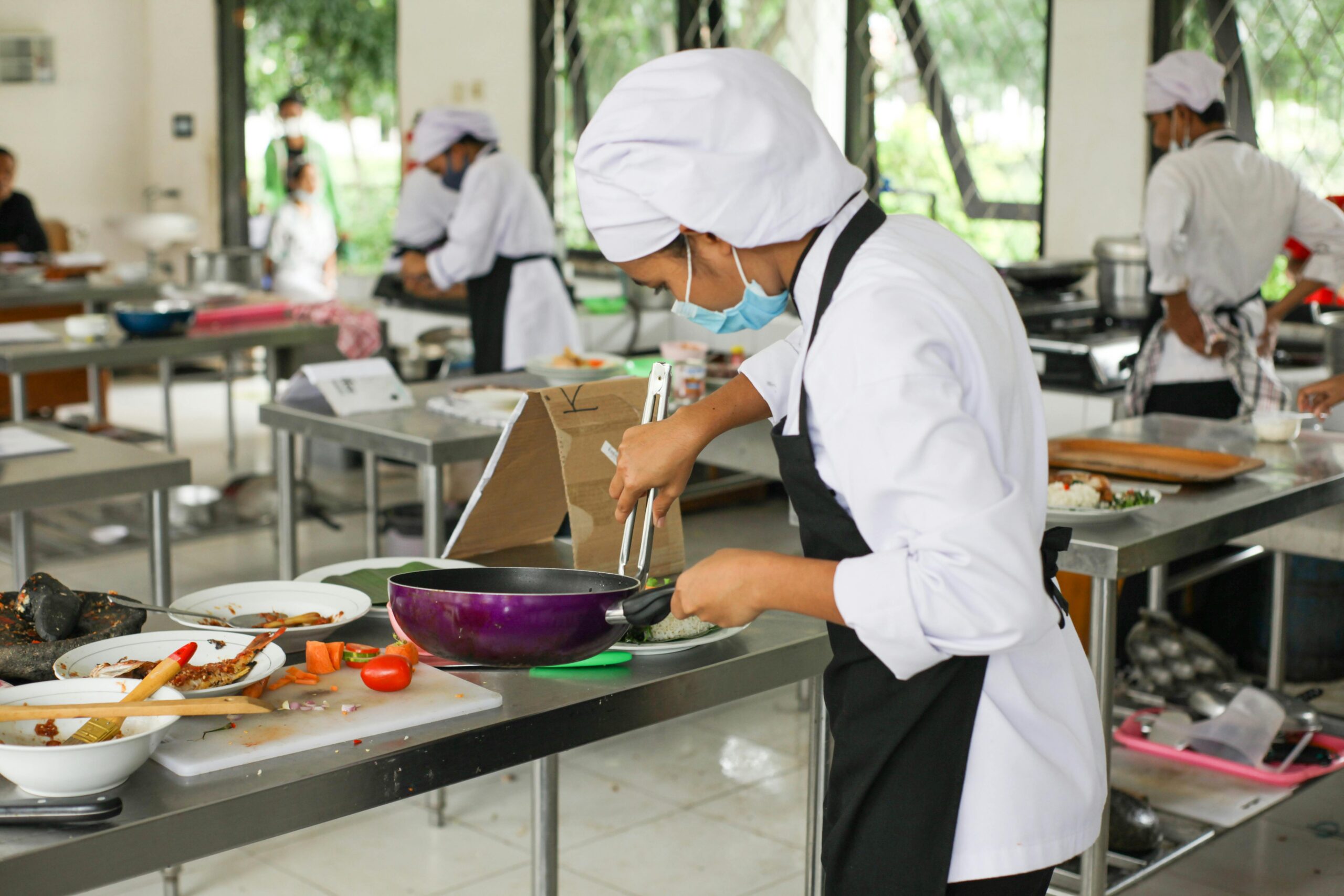
💪 Building Confidence Through Consistent Practice
Culinary confidence emerges from accumulated successful experiences rather than innate talent, making regular practice the single most important factor in skill development. Setting achievable goals like mastering one new technique weekly or preparing a certain number of home-cooked meals monthly creates structure without overwhelming pressure. Celebrating small victories maintains motivation during the inevitable learning curve that accompanies any new skill acquisition.
Cooking for others, whether family dinners or casual entertaining, provides valuable feedback while developing skills under gentle pressure. The accountability of feeding others focuses attention and elevates effort beyond what solo cooking might inspire. Starting with intimate gatherings of understanding friends allows experimentation in supportive environments before tackling more formal entertaining situations.
Accepting imperfection as an inherent part of learning prevents discouragement when results don’t match expectations. Even professional chefs produce occasional disappointments, and these experiences provide valuable lessons that inform future attempts. Viewing mistakes as data rather than failures transforms cooking from performance anxiety into enjoyable exploration that continuously expands your capabilities and repertoire.
The transformation from kitchen novice to confident cook happens through consistent application of fundamental principles, patience with the learning process, and willingness to embrace both successes and setbacks as educational opportunities. Every meal prepared represents progress toward greater independence, better health, enhanced creativity, and the deep satisfaction that comes from nourishing yourself and others through your own efforts. The kitchen awaits your exploration, equipped with endless possibilities limited only by imagination and willingness to learn. 🍽️
