Anúncios
Remember those playlists you made back in high school?
The ones that defined your teenage years? Well, guess what—they’re making a comeback, and it’s easier than ever! 🎵
Anúncios
There’s something magical about revisiting the music that shaped who we are. Whether it was that indie rock phase, your emo period, or those guilty pleasure pop hits you swore you’d never admit to loving, every song carries a piece of our story.
The best part? Technology has made it incredibly simple to not just remember these musical memories, but to actually relive them right from your smartphone.
Anúncios
Gone are the days when you needed to dig through boxes of CDs or search endlessly for that one mixtape your best friend made you.
We’re living in an era where your entire musical history can fit in your pocket, and honestly, that’s pretty mind-blowing when you think about it. Let me walk you through how you can bring those nostalgic vibes back into your daily life.
Why Your Old Playlists Matter More Than You Think 💭
Music isn’t just entertainment—it’s a time machine. Scientists have actually proven that listening to songs from our past can trigger vivid memories and emotions in ways that almost nothing else can. It’s called the “reminiscence bump,” and it’s why hearing that one song from 2010 can instantly transport you back to exactly where you were and who you were with.
Your old playlists are basically digital scrapbooks. Each track represents a moment, a feeling, or a phase of your life. That breakup song? Yeah, it hurt back then, but now it’s a reminder of how far you’ve come. Those party anthems? They’re portals back to the best nights you barely remember but will never forget.
The emotional connection we have with music from our formative years is incredibly powerful. Research shows that songs we listened to between ages 12 and 22 tend to stay with us the longest and mean the most throughout our lives. So if you’re in your twenties or thirties now, those playlists from high school and college are literally part of your identity.
The Evolution of Music Storage: From CDs to Cloud 💿☁️
Let’s take a quick trip down memory lane. If you’re old enough to remember burning CDs, you know the struggle was real. You’d spend hours carefully selecting exactly which songs made the cut, only to have someone scratch the disc within a week. Then came iPods, which felt revolutionary at the time—thousands of songs in your pocket!
But here’s where it gets interesting. The shift to streaming services completely changed the game. Suddenly, we didn’t need to own music anymore; we just needed access to it. Services like Spotify, Apple Music, YouTube Music, and others emerged as our new music libraries, holding literally millions of tracks ready to stream at any moment.
The problem? Many of us lost track of those carefully curated playlists during the transition. Maybe you switched platforms, lost your login credentials, or simply forgot what you used to listen to. Sound familiar? Don’t worry—there are ways to recover and rebuild those musical treasures.
Streaming Platforms: Your Gateway to Musical Nostalgia 🎧
Modern streaming services are incredibly good at helping you rediscover your musical past. Most platforms now have features specifically designed to tap into nostalgia and help you reconnect with songs you haven’t heard in years.
Spotify’s Time Capsule Feature
Spotify deserves major props for understanding the nostalgia game. Their personalized playlists don’t just recommend new music—they actively help you rediscover old favorites. The “Time Capsule” playlist is literally designed to bring back songs from your youth based on your age and listening habits.
Plus, if you’ve been a Spotify user for a while, your listening history is stored and can be accessed. You can dig through years of data to find those songs you played on repeat but somehow forgot about. It’s like digital archaeology, but way more fun and with better soundtracks.
Apple Music and Your iTunes History
For the Apple ecosystem loyalists out there, there’s good news. If you used iTunes back in the day, your purchase history is still there. Apple Music can access your old library, meaning those albums you bought in 2008 aren’t lost forever. They’re just waiting to be rediscovered.
The platform also creates personalized mixes based on your listening history, which often includes throwbacks to your earlier musical preferences. It’s like having a DJ who knows exactly what you were into during different periods of your life.
YouTube Music: The Video Memory Lane
Here’s something cool about YouTube Music—it taps into the entire YouTube catalog. Remember watching music videos on repeat? Those are all there, along with live performances, covers, and remixes you probably forgot existed. It’s not just about the audio; it’s about the entire visual experience of music from your past.

Recovering Lost Playlists: Detective Work Made Easy 🔍
Okay, so what if you actually lost your playlists during a platform switch or account change? Don’t panic. There are several strategies you can use to reconstruct your musical past.
First, check your email. Seriously. Most streaming services send receipts or notifications when you add songs or create playlists. Searching your email for terms like “playlist,” “added song,” or the name of your old music service might uncover forgotten gems.
Second, think about social media. Did you ever share songs on Facebook, Twitter, or Instagram? Your old posts might contain clues about what you were listening to during specific periods. It’s like being a detective, but instead of solving crimes, you’re solving the mystery of your musical taste evolution.
Third-party tools can also help. Services like Soundiiz, TuneMyMusic, and others specialize in transferring playlists between platforms. Some even offer features to help you recover old playlists if you have partial information about them.
Creating Modern Versions of Classic Playlists 🎨
Here’s a fun project: recreate your old playlists with a modern twist. Start with the core songs you remember, then let the streaming algorithms suggest similar tracks. You’ll end up with a playlist that honors your past while introducing you to new music that fits the same vibe.
I like to think of it as “remastering” your musical memories. The original playlist is the classic album, and this new version is the deluxe edition with bonus tracks and updated production. You get the nostalgia hit while also keeping things fresh and current.
For example, if you had a 2000s emo playlist, you could rebuild it with the original My Chemical Romance and Fall Out Boy tracks, then add newer bands that carry that same energy. It’s a bridge between who you were and who you are now.
The Social Aspect: Sharing Musical Memories 👥
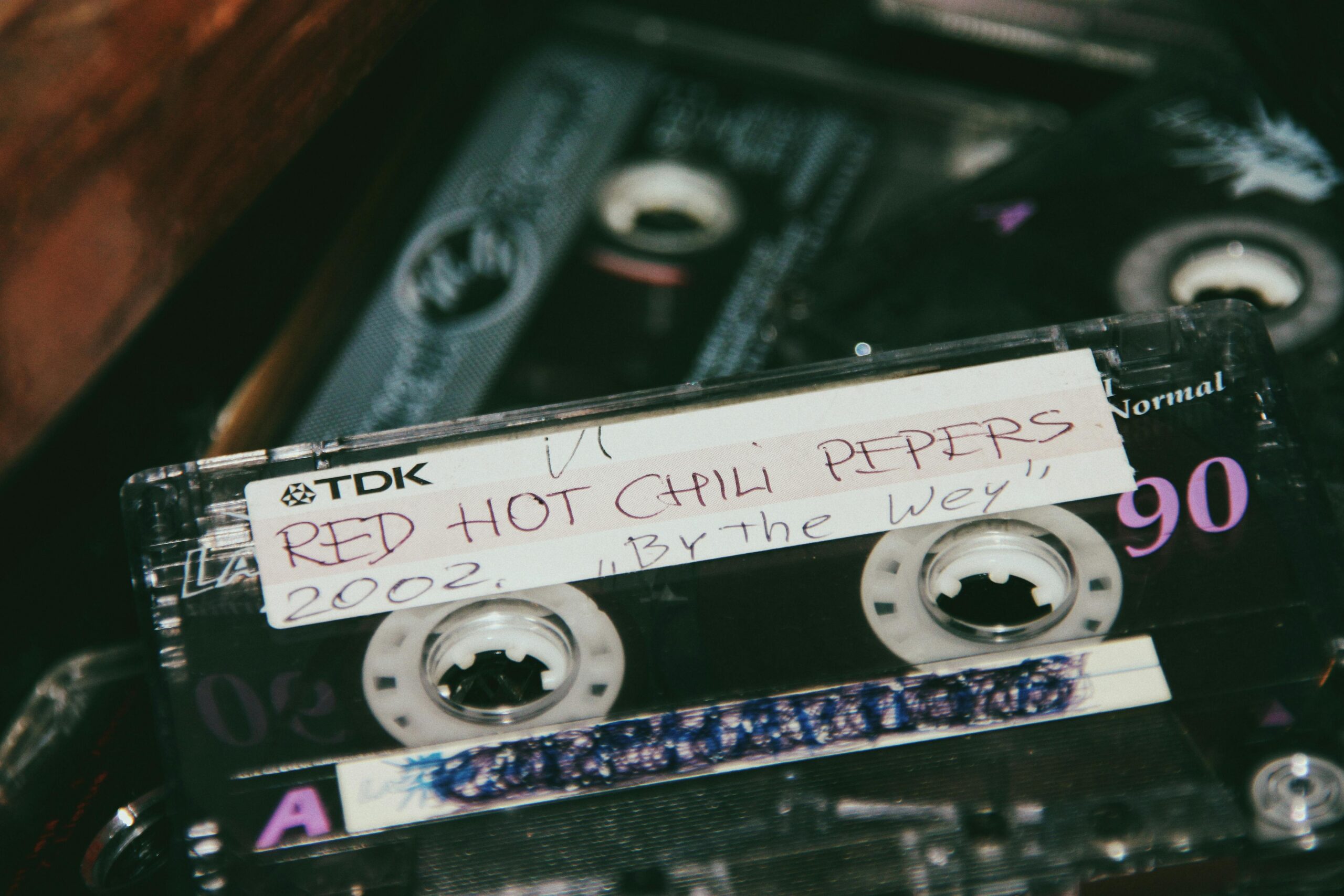
One of the coolest things about modern music platforms is how easy they make sharing. Remember making mixtapes for friends or significant others? The digital equivalent is alive and well, just way more convenient and less likely to get eaten by a tape deck.
You can now collaborate on playlists with friends, sharing nostalgic tracks and discovering what everyone else was listening to during those same years. It’s amazing how music can spark conversations and reconnect people who might have drifted apart.
Some friend groups even have “throwback Thursday” playlist traditions where everyone contributes songs from a specific year or era. It becomes this shared musical journey that strengthens bonds and creates new memories around old songs.
Organizing Your Musical Past for Easy Access 📱
Once you’ve recovered or recreated your old playlists, it’s worth taking time to organize them properly. Here’s a system that works really well:
- Year-Based Playlists: Create separate playlists for different years or periods of your life. “Summer 2012” or “Freshman Year” tells you exactly what you’ll get.
- Mood and Genre Separation: Not everything needs to be chronological. Sometimes you want “Sad Songs from My Youth” or “High School Party Jams” regardless of exact timing.
- Event-Specific Collections: Remember that road trip? That festival? Create playlists around specific events and experiences.
- Evolution Tracking: Make playlists showing how your taste in a particular genre evolved over time. It’s fascinating to see the progression.
Offline Access: Taking Your Memories Everywhere 🌍
Most streaming platforms offer offline download features with premium subscriptions. This is crucial for keeping your nostalgic playlists accessible even without internet connection. There’s something reassuring about knowing your musical history is always available, whether you’re on a plane, in a remote area, or just trying to save data.
Download your favorite throwback playlists and keep them on your device. That way, whenever you need a quick dose of nostalgia—maybe before a big presentation to calm your nerves, or during a workout to channel your younger self’s energy—it’s right there waiting for you.
The Unexpected Benefits of Musical Time Travel ⏰
Revisiting old playlists isn’t just about nostalgia—it can actually be good for you. Studies show that listening to familiar music from our past can reduce stress, improve mood, and even help with memory function. It’s like comfort food for your brain.
Some people use their old playlists as productivity tools. If you studied to certain music back in school, listening to those same songs while working can trigger that focused mental state. Your brain associates those sounds with concentration and getting things done.
Others find that their old party playlists make killer workout soundtracks. That energy you felt dancing at house parties or concerts? It translates perfectly to pushing through that last mile or final set of reps.
Discovering What You Missed: Filling the Gaps 🔎
Here’s something interesting: revisiting your old playlists often reveals gaps—artists you meant to explore but never did, albums you only heard one song from, or entire genres you brushed past. Modern streaming makes it incredibly easy to finally investigate these musical roads not taken.
Use your old playlists as jumping-off points for discovery. For every song you remember, check out the artist’s full discography. You might find that your favorite track from 2009 was actually the artist’s weakest work, and their other albums are even better. It’s like finding hidden levels in a video game you thought you’d completed.
Making New Memories with Old Songs 🎉
The beautiful thing about music is that it doesn’t stop making memories just because it’s old. Playing your high school playlist at a dinner party with college friends creates a new layer of meaning. Those songs now represent both your teenage years and this specific moment of adult friendship.
This is especially powerful when introducing others to music that shaped you. Sharing your old playlists with a partner or new friends is like giving them a tour of your inner world. The songs become a bridge between different versions of yourself and the people in your current life.
Some people even create tradition around their old playlists—like playing their “first year of college” playlist every year on the anniversary, or listening to their “summer 2015” tracks every time that season rolls around. It becomes a ritual that connects past and present.
The Future of Musical Nostalgia 🚀
Technology keeps evolving, and so do the ways we can interact with our musical past. AI and machine learning are getting better at understanding our listening patterns and predicting what old favorites we might want to hear on any given day.
Some platforms are experimenting with spatial audio and immersive sound that can make old songs feel new again. Imagine hearing your favorite track from 2010 in Dolby Atmos, with layers and details you never noticed before. It’s nostalgia meets innovation in the best possible way.
Virtual and augmented reality might eventually let us recreate the actual experiences around our old playlists—virtually attending that concert again, or seeing the music video in a fully immersive environment. The future of musical nostalgia is pretty exciting.
Your Soundtrack, Your Story 📖
At the end of the day, your old playlists are more than just collections of songs. They’re chapters in your autobiography, soundtracks to the movie of your life. Every track represents a choice you made, a feeling you had, or a moment you lived through.
The fact that we can now carry all of this history in our pockets, access it instantly, and share it with others is genuinely amazing. It’s easy to take for granted, but think about it—previous generations could only revisit their musical memories if they still had the physical media and a way to play it. We have something far more powerful and portable.
So dig into those old playlists. Recreate the ones you’ve lost. Share them with people who matter. Let the music remind you of where you’ve been and inspire you about where you’re going. Your past self had great taste, and there’s no reason not to celebrate that.
The beauty of music is that it exists outside of time. A song from ten years ago sounds exactly the same today, but we hear it differently because we’ve changed. That’s the magic of reviving old playlists—the songs stay constant while we continue evolving. It’s the perfect combination of stability and growth, wrapped up in melodies and lyrics that once defined us and still, in some way, continue to do so. Now go ahead, hit play, and let the memories flow. 🎶
