
Anúncios
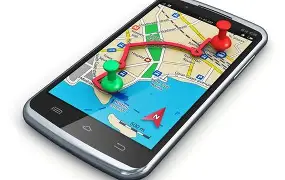
Modern navigation has evolved beyond paper maps and printed directions. Today, GPS apps transform your smartphone into a powerful guide, offering real-time location data, traffic updates, and seamless route planning—all at your fingertips.


Whether you’re commuting to work, exploring a new city, or planning a cross-country road trip, GPS applications have become indispensable tools for modern life. These digital companions do far more than simply show you where you are—they predict traffic patterns, suggest optimal routes, and even help you discover hidden gems in unfamiliar territories.
Anúncios
The beauty of GPS technology lies in its accessibility. What once required expensive dedicated devices now lives comfortably in your pocket, available whenever and wherever you need it. Let’s explore how these remarkable applications work and why they’ve become essential for millions of users worldwide.
🛰️ How GPS Technology Powers Your Navigation
GPS, or Global Positioning System, relies on a constellation of satellites orbiting Earth. Your smartphone receives signals from multiple satellites simultaneously, calculating your precise location through a process called trilateration. This happens in milliseconds, providing accurate positioning data that forms the foundation of every navigation app.
Anúncios
Modern GPS apps don’t work in isolation. They combine satellite data with cellular tower information, Wi-Fi positioning, and even sensor data from your phone’s accelerometer and gyroscope. This multi-layered approach ensures you receive accurate location information even in challenging environments like urban canyons or tunnels.
The accuracy of GPS technology has improved dramatically over recent years. While early systems offered accuracy within 10-15 meters, today’s applications can pinpoint your location within just a few meters. Some advanced systems even achieve sub-meter accuracy, making them reliable for precise navigation needs.
📱 Essential Features That Define Modern GPS Apps
Contemporary navigation applications pack an impressive array of features designed to make your journey smoother and more enjoyable. Understanding these capabilities helps you maximize the value these tools provide in your daily life.
Real-Time Traffic Intelligence
Traffic monitoring represents one of the most valuable features in modern GPS apps. By aggregating data from millions of users, these applications provide live traffic updates, accident alerts, and road closure notifications. The system automatically recalculates your route when it detects congestion, helping you avoid delays before they impact your schedule.
This crowdsourced approach means the more people use the app, the more accurate the traffic data becomes. Your anonymous location data contributes to this collective intelligence, helping other drivers while simultaneously benefiting from their contributions.
Multi-Modal Transportation Options
Today’s GPS applications recognize that not everyone drives. Many apps now offer comprehensive routing for walking, cycling, public transportation, and even ride-sharing services. Each mode receives customized directions that account for specific considerations—cyclists see bike lanes and elevation changes, while pedestrians get walking paths and sidewalk routes.
Public transit integration has become particularly sophisticated, displaying real-time bus and train schedules, platform information, and even fare estimates. This multi-modal approach makes GPS apps valuable regardless of your preferred transportation method.
Offline Functionality for Uninterrupted Navigation
Internet connectivity isn’t always guaranteed, especially when traveling internationally or exploring remote areas. Recognizing this limitation, many GPS apps now allow you to download maps for offline use. These downloaded maps enable full navigation capabilities without requiring a data connection, ensuring you never lose your way even in areas with poor coverage.
Offline maps typically include all major roads, points of interest, and navigation features. Some apps even update these maps automatically when you connect to Wi-Fi, ensuring your offline data remains current without consuming mobile data.

🌍 Exploring Beyond Basic Navigation
While getting from point A to point B remains the core function, modern GPS apps have evolved into comprehensive travel companions that enhance every aspect of your journey.
Location Discovery and Recommendations
GPS applications now serve as digital tour guides, helping you discover restaurants, attractions, gas stations, and other points of interest along your route. These recommendations often include user reviews, photos, operating hours, and even current wait times for popular locations.
Many apps learn your preferences over time, offering personalized suggestions based on your previous searches and visits. This intelligent recommendation system transforms your navigation app into a discovery tool that introduces you to places you might never have found otherwise.
Street View and Visual Navigation
Visual representation capabilities have revolutionized how we interact with navigation apps. Street view functionality lets you virtually explore your destination before arriving, helping you identify landmarks, building entrances, and parking options in advance.
Augmented reality features take this further by overlaying directional arrows and information directly onto your phone’s camera view. This immersive navigation experience proves particularly helpful when navigating complex pedestrian areas or unfamiliar neighborhoods.
Integration With Daily Life
Modern GPS apps seamlessly integrate with your calendar, contacts, and other applications. They can automatically suggest departure times for calendar appointments, accounting for current traffic conditions. Address information from your contacts becomes instantly navigable with a single tap.
Voice assistant integration means you can request directions hands-free, making the technology safer and more convenient while driving. Simply speaking your destination initiates navigation without requiring you to touch your phone.
🚗 Practical Applications Across Different Scenarios
GPS technology adapts to serve various needs across different contexts, proving valuable whether you’re managing a busy work schedule or planning a leisure adventure.
Daily Commuting Optimization
For regular commuters, GPS apps become invaluable time-saving tools. They learn your typical routes and automatically notify you about unusual delays before you leave home. Smart departure time suggestions ensure you arrive on time even when traffic conditions change unexpectedly.
Many apps offer commute tracking features that analyze your travel patterns over time, providing insights into average journey times and suggesting alternative routes that might save you precious minutes each day.
Business Travel and Logistics
Professional drivers and delivery personnel rely heavily on GPS applications for efficient route planning. Multi-stop optimization features calculate the most efficient order for visiting multiple locations, saving time and fuel costs.
Fleet management integration allows businesses to track vehicle locations, monitor driver behavior, and optimize delivery schedules. This commercial application of GPS technology demonstrates its value beyond personal navigation needs.
Adventure and Tourism
Travelers exploring new destinations find GPS apps indispensable for discovering local culture and attractions. Curated guides highlight popular tourist sites, while local recommendations help you experience destinations like a resident rather than a tourist.
Hiking and outdoor recreation have also benefited from GPS technology. Specialized features show trail maps, elevation profiles, and even track your progress along challenging routes, enhancing safety while exploring nature.
🔒 Privacy and Data Considerations
Using GPS applications involves sharing your location data, raising important privacy considerations that responsible users should understand and manage actively.
Understanding Location Permissions
GPS apps require access to your location data to function, but modern smartphones offer granular control over these permissions. You can typically choose whether apps access your location always, only while using the app, or never.
Review these permissions regularly to ensure apps only access location data when necessary. Many navigation apps function perfectly well with “while using” permission, eliminating the need for constant location tracking.
Location History Management
Many GPS applications maintain a history of places you’ve visited, using this data to improve recommendations and traffic predictions. While this feature offers convenience, it also creates a detailed record of your movements.
Most apps allow you to view, manage, or delete your location history. Consider periodically reviewing and clearing this data if privacy concerns you, though doing so may reduce the app’s ability to provide personalized recommendations.
Data Sharing Practices
GPS apps often share anonymized location data to generate real-time traffic updates and improve routing algorithms. Understanding how your chosen app handles data helps you make informed decisions about which services align with your privacy preferences.
Reading privacy policies and adjusting sharing settings gives you control over how your data contributes to these collective intelligence systems.
⚡ Maximizing Battery Life During Navigation
GPS navigation can drain your phone’s battery quickly, but several strategies help extend usage time during important journeys.
Screen brightness represents one of the largest battery consumers during navigation. Reducing brightness to the minimum comfortable level significantly extends battery life. Many apps offer night mode interfaces that reduce screen brightness automatically while maintaining readability.
Downloading maps for offline use reduces the need for constant data connectivity, which drains battery faster than GPS alone. When possible, download relevant map areas before starting your journey.
Closing unnecessary background apps frees up processing power and reduces battery drain. Navigation apps require significant resources, so minimizing other active applications helps maintain battery life.
Consider investing in a car charger if you frequently use navigation while driving. This ensures your phone remains charged regardless of journey length, eliminating battery anxiety during critical trips.
🎯 Choosing the Right GPS App for Your Needs
Multiple excellent GPS applications exist, each offering unique features and advantages. Selecting the right one depends on your specific requirements and preferences.
Evaluating Core Functionality
Start by identifying your primary needs. Do you mainly need driving directions, or do you frequently use public transportation? Does your work require multi-stop route planning? Understanding your core requirements helps narrow options effectively.
Test several popular apps to compare their interfaces and feature sets. What feels intuitive to one person might seem confusing to another, so personal experience matters more than reviews alone.
Considering Regional Coverage
GPS app performance varies by region. Some applications excel in urban environments but lack detailed information for rural areas. Others provide excellent coverage in specific countries but limited functionality elsewhere.
If you travel internationally frequently, choose apps with strong global coverage and robust offline functionality. Regional specialists might serve better for users who rarely venture beyond their home area.
Balancing Features With Simplicity
Feature-rich applications appeal to power users but might overwhelm those seeking straightforward navigation. Consider whether you’ll actually use advanced features like speed limit warnings, lane guidance, or parking availability before prioritizing apps that offer them.
Sometimes simpler apps with excellent core functionality serve better than complex applications with features you’ll never use. Prioritize reliability and ease of use over feature quantity.
🔮 The Future of GPS Navigation Technology
Navigation technology continues evolving rapidly, with emerging innovations promising even more capable and intuitive experiences in coming years.
Artificial Intelligence Integration
Machine learning algorithms are becoming increasingly sophisticated at predicting traffic patterns, suggesting optimal departure times, and personalizing recommendations. Future GPS apps will likely anticipate your needs before you explicitly request directions, offering proactive assistance based on learned patterns.
Natural language processing improvements will make voice interaction more conversational and context-aware, understanding complex requests and preferences without requiring precise command structures.
Enhanced Augmented Reality
AR navigation features will become more refined and widespread, overlaying detailed directional information onto real-world camera views. This technology particularly benefits pedestrian navigation in complex urban environments where traditional map views prove less intuitive.
Future implementations might include virtual tour guides, historical information overlays, and interactive points of interest that respond to your gaze or gestures.
Autonomous Vehicle Integration
As self-driving vehicles become more common, GPS applications will evolve to coordinate with autonomous driving systems. Navigation apps might communicate directly with vehicles, seamlessly transferring route information and preferences without manual input.
This integration will blur the lines between navigation software and vehicle operating systems, creating unified transportation experiences that handle every aspect of your journey.
🌟 Making GPS Apps Work Best for You
Understanding features and capabilities matters, but practical application determines whether GPS technology truly improves your daily life.
Take time to explore your chosen app’s settings and customization options. Adjusting voice guidance volume, map display preferences, and notification settings creates a personalized experience that feels natural rather than intrusive.
Enable helpful features like speed limit displays and upcoming turn notifications that enhance safety without creating distraction. Disable features that you find distracting or unnecessary.
Regularly update your GPS app to ensure you benefit from the latest improvements, bug fixes, and map data updates. Developers continuously refine these applications, and staying current maximizes performance and reliability.
Save frequently visited locations as favorites for quick access. Most apps allow you to label home, work, and other regular destinations, eliminating the need to enter addresses repeatedly.
Share your estimated arrival time with friends or family when appropriate. This feature not only keeps others informed but also provides an added safety measure during solo travel.
🎓 Learning From Every Journey
GPS applications offer more than just directions—they provide opportunities to expand your geographic knowledge and develop better spatial awareness over time.
Pay attention to the routes your app suggests and try to understand why certain paths prove more efficient than others. This knowledge helps you make better navigation decisions even when technology isn’t available.
Explore alternative route options occasionally to discover new paths and understand your area more thoroughly. While the fastest route serves most situations, knowing alternatives proves valuable when unusual circumstances arise.
Use the location sharing and review features to contribute your own knowledge to the community. Reporting road closures, traffic incidents, or reviewing businesses helps other users while improving the overall service quality.
GPS technology represents one of the most practical applications of modern smartphone capabilities. These powerful navigation tools have transformed how we move through the world, making travel more efficient, less stressful, and more enjoyable. By understanding their functionality and learning to use them effectively, you harness remarkable technology that truly puts advanced capability in your hands.
The journey from uncertainty to confidence happens one navigation at a time. Whether you’re finding the fastest route home, discovering a hidden restaurant, or exploring entirely new territories, your GPS app serves as a reliable companion ready to guide you every step of the way.
