
Anúncios
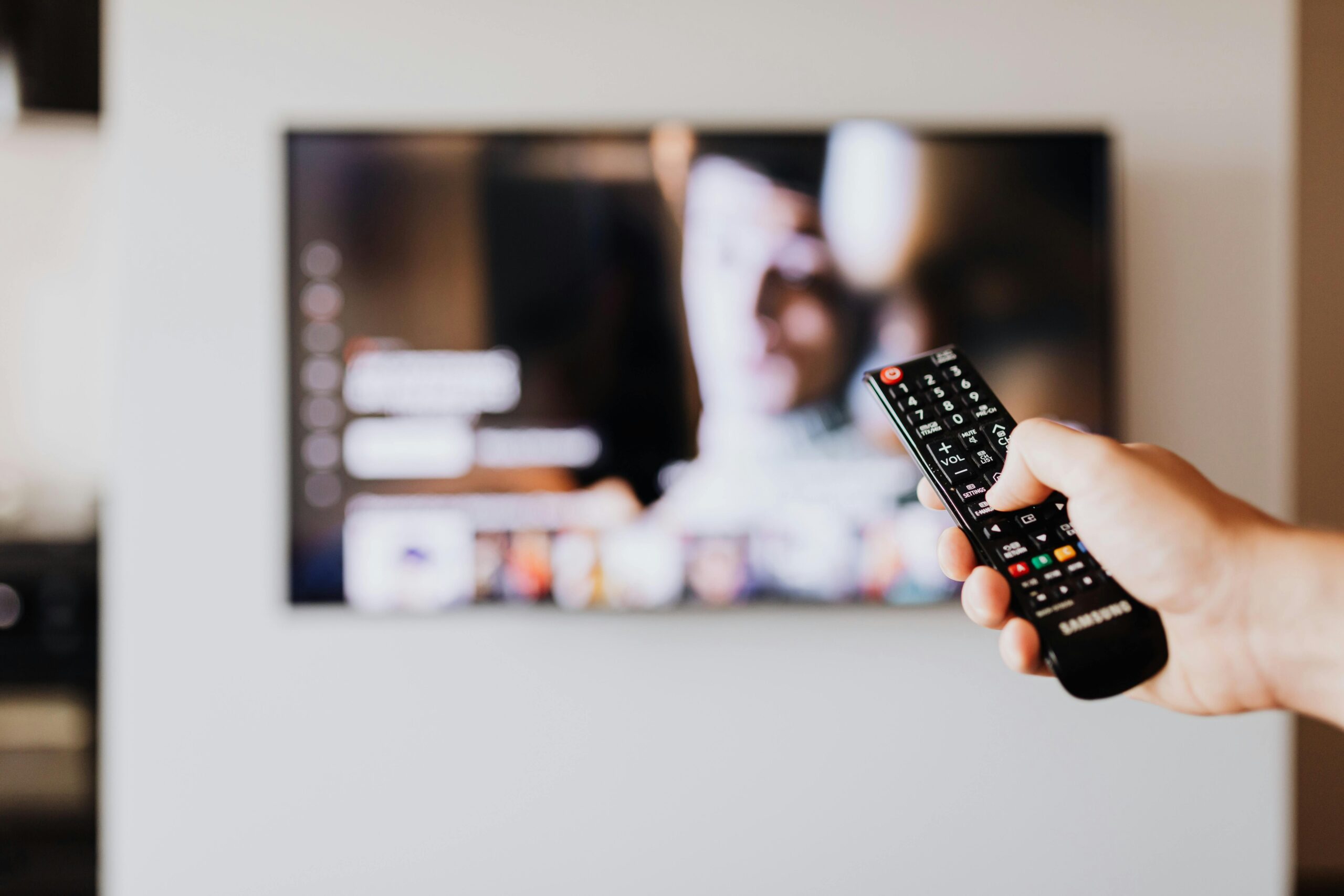
Struggling with poor TV signal? Discover how modern streaming technology lets you access hundreds of channels instantly, without the frustration of pixelated screens or lost connections.


We’ve all experienced that moment: you settle in for your favorite show, remote in hand, only to find the screen filled with static or that dreaded “no signal” message.
Anúncios
Traditional television signals can be unpredictable, affected by weather conditions, geographic obstacles, and technical limitations that leave viewers frustrated and disconnected from their entertainment.
The good news? Technology has evolved dramatically, offering solutions that bypass these traditional signal problems entirely.
Anúncios
Modern streaming applications and digital TV platforms provide crystal-clear viewing experiences that don’t depend on antennas, satellites, or cable connections prone to interference.
📡 Why Traditional TV Signals Fail When You Need Them Most
Understanding why your television signal weakens helps you appreciate the alternative solutions available today. Traditional broadcast television relies on radio frequency signals transmitted from towers to your antenna. These signals travel through the atmosphere and can be disrupted by numerous factors.
Weather conditions rank among the most common culprits. Heavy rain, thick fog, and snowstorms can absorb or scatter television signals before they reach your home. Even strong winds that shift your antenna’s position by just a few degrees can transform a perfect picture into unwatchable static.
Geographic obstacles present another significant challenge. Mountains, tall buildings, dense forests, and even the natural curvature of the Earth can block television signals. If you live in a valley, behind a hill, or in an area with numerous high-rise structures, your antenna might struggle to capture clear signals regardless of weather conditions.
Distance from broadcast towers matters tremendously. The farther you live from the transmission source, the weaker your signal becomes. Rural areas often face this challenge, with residents sometimes located 50 or more miles from the nearest broadcasting station.
🌐 How Internet-Based TV Transforms Your Viewing Experience
Internet protocol television (IPTV) and streaming services have revolutionized how we consume television content. Instead of relying on over-the-air broadcasts, these platforms deliver channels through your internet connection, eliminating traditional signal problems entirely.
The technology works by converting television content into data packets that travel through your broadband connection. This method proves remarkably resilient against the environmental factors that plague traditional broadcasts. Rain doesn’t interrupt your internet signal the way it disrupts antenna reception, and geographic obstacles become irrelevant when content travels through underground cables or fiber optic networks.
Streaming platforms offer several advantages beyond reliability. You gain access to a vastly expanded channel selection, often including international programming that would never reach traditional broadcast towers in your area. Many services also provide on-demand features, letting you watch content according to your schedule rather than adhering to fixed broadcast times.
Picture quality through internet-based television often surpasses traditional broadcasts, especially if you have a robust broadband connection. Many services stream in high definition or even 4K resolution, delivering crisp images and clear audio that make traditional analog signals seem prehistoric by comparison.
📱 The Convenience of Mobile TV Access
Modern television viewing isn’t confined to your living room anymore. Mobile applications have transformed smartphones and tablets into portable television sets, giving you entertainment options wherever you go. This flexibility represents a fundamental shift in how we think about television consumption.
Whether you’re commuting on public transportation, waiting at a doctor’s office, or relaxing in your backyard, your favorite channels remain accessible through mobile TV apps. This portability eliminates the frustration of being tied to a specific location with a functional television set and adequate signal strength.
Mobile TV applications typically require only a stable internet connection—either through Wi-Fi or mobile data networks. This means you can watch live broadcasts, catch up on missed episodes, or browse through extensive content libraries using the device already in your pocket.

✨ Features That Make Digital TV Services Stand Out
Contemporary digital television platforms pack impressive features that traditional broadcasting simply cannot match. Understanding these capabilities helps you appreciate why so many viewers are transitioning away from antenna-based television.
Electronic program guides (EPGs) provide comprehensive, searchable listings of current and upcoming programming across all available channels. Instead of flipping through channels hoping to find something interesting, you can browse by genre, time slot, or specific keywords, then navigate directly to content that interests you.
Pause and rewind functionality for live television represents another game-changing feature. If someone calls during a crucial moment in your program, you can pause the live broadcast, take your call, then resume watching exactly where you left off. Many services also let you rewind live TV, perfect for catching dialogue you missed or replaying an exciting moment.
Multi-device synchronization ensures your viewing experience follows you seamlessly. Start watching a show on your living room television, continue on your tablet in bed, then finish the final minutes on your smartphone during your morning commute. The service remembers your place and keeps your watchlist synchronized across all devices.
Parental controls give you precise authority over what content children in your household can access. Set PIN codes for mature programming, block specific channels entirely, or establish viewing time limits that automatically lock the service during homework hours or bedtime.
💡 Choosing the Right Service for Your Needs
The digital television landscape offers numerous options, each with distinct advantages. Selecting the service that best fits your requirements depends on several factors worth considering carefully.
Content availability should top your priority list. Different services carry different channel lineups. If you’re passionate about sports, ensure your chosen platform includes comprehensive sports channels. Movie enthusiasts should verify the presence of premium cinema channels, while news junkies need robust news network coverage.
Pricing structures vary significantly across platforms. Some services operate on subscription models with monthly or annual fees, while others offer free access supported by advertising. Pay-per-view options exist for special events or premium content. Calculate your budget and determine which pricing approach aligns with your financial comfort zone.
Technical requirements deserve attention before committing to any service. Check the minimum internet speed recommendations—most services perform best with connections of at least 10 Mbps for standard definition and 25 Mbps for high definition streaming. Verify device compatibility to ensure the service works on your preferred screens, whether that’s smart TVs, streaming boxes, computers, or mobile devices.
Trial periods provide valuable opportunities to test services before making long-term commitments. Many platforms offer free trials ranging from seven to thirty days, giving you ample time to evaluate channel selection, picture quality, interface usability, and overall satisfaction.
🔧 Optimizing Your Internet Connection for Smooth Streaming
Even the best digital television service performs poorly with an inadequate internet connection. Optimizing your network setup ensures you get the smooth, buffer-free viewing experience you’re paying for.
Internet speed forms the foundation of quality streaming. Contact your internet service provider to verify your current plan meets the demands of television streaming, especially if multiple household members use the internet simultaneously. Upgrading to a faster tier often costs less than you might expect and dramatically improves your viewing experience.
Router placement significantly impacts signal strength throughout your home. Position your wireless router in a central location, elevated off the floor, away from walls and metal objects that can interfere with signal propagation. If your television sits far from your router, consider using Wi-Fi extenders or powerline adapters to boost signal strength in that area.
Wired connections always outperform wireless when absolute reliability matters. If possible, connect your primary viewing device directly to your router using an Ethernet cable. This eliminates the variability inherent in wireless connections and provides the most stable streaming experience possible.
Bandwidth management helps when multiple household members compete for internet resources. Some modern routers include Quality of Service (QoS) settings that let you prioritize streaming traffic over less time-sensitive activities like file downloads or software updates. This ensures your television viewing remains smooth even when others use the network.
🎬 Beyond Live TV: Exploring On-Demand Possibilities
While live television remains popular, on-demand content libraries represent one of digital television’s most compelling advantages. These vast collections put thousands of hours of programming at your fingertips, accessible whenever the mood strikes.
Catch-up TV services let you watch recently aired programs you missed during their scheduled broadcast times. Most platforms maintain catch-up libraries spanning several days or even weeks, ensuring you never miss episodes of your favorite series due to scheduling conflicts or forgotten recording settings.
Content recommendations powered by viewing history help you discover new programs aligned with your interests. As you watch various shows and movies, the platform learns your preferences and suggests similar content you might enjoy. This personalized approach helps you navigate vast content libraries without feeling overwhelmed by endless options.
Offline viewing capabilities available in many mobile applications let you download content for later watching without internet connectivity. This feature proves invaluable during flights, road trips through areas with spotty coverage, or any situation where reliable internet access isn’t guaranteed.
🌍 Accessing International Content From Your Couch
Digital television platforms break down geographic barriers that once limited viewing options to locally available broadcasts. Many services now offer international channels and content from around the world, opening fascinating windows into different cultures and perspectives.
Language learning receives a boost from access to authentic programming in target languages. Watching television shows and news broadcasts in the language you’re studying provides natural exposure to conversational patterns, cultural contexts, and regional accents that textbooks can’t capture.
Expatriates and immigrants can maintain connections to their home countries through native-language programming. Watching familiar channels from your homeland helps combat homesickness and keeps you informed about news and cultural developments in the place you grew up.
Cultural exploration becomes effortless when you can sample programming from dozens of countries. Curious about Korean dramas, British panel shows, or Brazilian telenovelas? International digital television services make it easy to explore entertainment from cultures you might never experience otherwise.
🛡️ Security and Privacy Considerations
As with any internet-based service, understanding privacy and security implications helps you make informed decisions about digital television platforms.
Data collection practices vary across services. Reputable platforms clearly disclose what viewing data they collect and how they use it, typically for improving recommendations and measuring content popularity. Read privacy policies before subscribing, and favor transparent companies that respect user privacy.
Account security deserves attention since your television service account connects to payment information and personal viewing preferences. Use strong, unique passwords and enable two-factor authentication if the service offers it. Never share login credentials with people outside your household.
Public Wi-Fi networks pose risks when accessing subscription services. Avoid entering payment information or passwords while connected to public networks in cafes, airports, or hotels. If you must use public Wi-Fi, consider using a virtual private network (VPN) to encrypt your connection and protect sensitive data.
💰 Making the Financial Case for Digital Television
Transitioning from traditional cable or attempting to improve poor antenna reception often raises budget questions. Breaking down the costs helps you understand the true value proposition of digital television services.
Equipment costs for digital streaming prove minimal compared to traditional alternatives. You don’t need expensive satellite dishes, professional installation, or specialized receiving equipment. Most households already own compatible devices like smartphones, tablets, or smart TVs. Even if you need a streaming device, options exist at virtually every price point, from budget-friendly dongles to premium streaming boxes.
Monthly subscription fees typically undercut traditional cable packages significantly. Where comprehensive cable plans easily exceed $100 monthly, many robust streaming television services cost between $20 and $50 per month. Some free ad-supported options exist if you’re willing to watch occasional commercials.
Hidden fees disappear with most digital services. Traditional cable companies often tack on equipment rental charges, regional sports fees, broadcast television surcharges, and other mysterious line items. Streaming services typically charge one transparent price with no surprises or sudden increases.
Flexibility to cancel without penalty represents substantial value. Unlike cable contracts that lock you into lengthy commitments with early termination fees, most streaming services operate month-to-month. Cancel anytime without penalty if your financial situation changes or you simply want to try a different service.
🚀 The Future of Television Viewing
Television technology continues evolving rapidly, with emerging trends promising even more impressive capabilities in coming years.
Artificial intelligence integration will make content discovery increasingly sophisticated. Future systems will understand not just what you watch, but when you watch it, who you watch it with, and even your current mood based on recent viewing patterns. Recommendations will become eerily accurate, surfacing perfect content suggestions before you even know you want them.
Interactive programming represents an exciting frontier where viewers influence storylines, choose camera angles during live sports, or access real-time statistics and background information overlaid on their screens. The line between passive watching and active participation will continue blurring.
Virtual and augmented reality applications may eventually transform how we experience television. Imagine watching a concert as if you’re standing in the front row, or viewing a sporting event from the perspective of your favorite player. These technologies remain in early stages but show tremendous potential.
5G networks will make mobile television viewing even more reliable and higher quality. The increased bandwidth and reduced latency of next-generation cellular networks will enable seamless 4K streaming on smartphones, making mobile television experiences virtually indistinguishable from home viewing.
🎯 Taking the First Step Toward Better Television
If you’re tired of weak signals, limited channel selection, and the inflexibility of traditional television, now represents the perfect time to explore digital alternatives. The technology has matured to the point where streaming services offer reliability, quality, and convenience that surpass conventional broadcasting in virtually every measurable way.
Start by assessing your internet connection speed and upgrading if necessary. Research available services to find platforms offering the channels and content that matter most to you. Take advantage of free trials to test different options without financial commitment. Most people discover that once they experience the freedom and flexibility of digital television, returning to traditional methods feels like stepping backward in time.
The entertainment landscape has fundamentally changed, and viewers who embrace these changes gain access to unprecedented choice, control, and quality. Your favorite shows, live sports, breaking news, and countless channels await—all without the frustration of poor signal strength or limited reception. The future of television isn’t coming; it’s already here, ready for you to explore.
