
Anúncios
Conflict is an inevitable part of human interaction, but how we respond to it defines our communities, organizations, and societies. Mastering harmony requires innovative approaches that go beyond temporary fixes.
In a world increasingly marked by polarization, resource scarcity, and ideological divisions, the need for sustainable conflict resolution has never been more critical. Traditional approaches to peacebuilding often fall short because they focus on immediate cessation of hostilities without addressing root causes. True harmony emerges when we integrate psychological insights, community engagement, restorative practices, and systemic thinking into comprehensive strategies that promote lasting peace.
Anúncios
The complexity of modern conflicts demands that we move beyond conventional diplomatic frameworks. Whether we’re addressing workplace disputes, community tensions, international disagreements, or internal organizational conflicts, the principles of sustainable resolution remain remarkably consistent. This article explores innovative strategies that create genuine transformation rather than superficial compliance, building bridges where walls once stood.
🌱 Understanding the Deep Roots of Sustainable Peace
Sustainable conflict resolution begins with recognizing that most conflicts have multiple layers. Surface-level disagreements often mask deeper issues related to identity, security, resources, values, or unmet psychological needs. Addressing only the visible symptoms while ignoring underlying causes creates a fragile peace that collapses under pressure.
Anúncios
The concept of “negative peace” versus “positive peace” proves essential here. Negative peace represents merely the absence of direct violence or active conflict. Positive peace, however, encompasses the presence of social justice, equitable resource distribution, robust institutions, and genuine reconciliation. Innovative peacebuilding strategies focus on cultivating positive peace through systematic intervention at multiple levels.
Research in conflict psychology reveals that humans possess both competitive and cooperative instincts. Our challenge lies in creating conditions that activate collaborative tendencies while managing competitive impulses constructively. This requires understanding how fear, trauma, identity threats, and perceived injustice fuel ongoing conflicts even when rational analysis suggests resolution would benefit all parties.
The Neuroscience of Conflict and Cooperation
Recent advances in neuroscience illuminate why conflict resolution proves so challenging. When people perceive threats, their amygdala activates defensive responses that override rational thinking. This neurological reality explains why parties in conflict often cannot “just talk it out” without proper preparation and facilitation.
Effective peacebuilding strategies acknowledge this biology by creating safety before expecting dialogue. Techniques such as grounding exercises, strategic pauses, and confidence-building measures help shift brain activity from reactive survival modes to reflective engagement. Understanding these mechanisms empowers mediators and participants to design interventions that work with human psychology rather than against it.
🔄 Transformative Mediation: Beyond Win-Win Solutions
Traditional mediation often aims for compromise where each party concedes something to reach agreement. Transformative mediation takes a fundamentally different approach, focusing on changing the relationship between parties rather than simply resolving the immediate dispute.
This innovative framework prioritizes two essential shifts: empowerment and recognition. Empowerment means helping parties clarify their own goals, options, and capabilities rather than having solutions imposed externally. Recognition involves supporting parties to acknowledge each other’s perspectives, experiences, and humanity even amid profound disagreement.
When these transformations occur, parties often discover creative solutions they couldn’t envision while trapped in adversarial thinking. The conflict itself becomes an opportunity for growth, deeper understanding, and relationship strengthening. This approach proves particularly valuable in ongoing relationships where parties must continue interacting after resolution, such as workplace conflicts, family disputes, or community tensions.
Implementing Transformative Practices
Successful transformative mediation requires skilled facilitation that resists the urge to push toward quick agreements. Mediators must create space for storytelling, emotion expression, and perspective-taking. They ask open-ended questions that invite reflection rather than defensive responses: “What matters most to you here?” “What would you like the other person to understand about your experience?”
The process intentionally slows down rushed interactions, allowing parties to move beyond rehearsed positions to explore underlying interests and values. This patient approach may initially seem inefficient, but it produces more durable outcomes because parties genuinely understand each other and commit to solutions they’ve co-created rather than accepting imposed settlements.
🌍 Community-Based Peacebuilding: Grassroots Innovation
Top-down peace initiatives often fail because they ignore local knowledge, cultural contexts, and community dynamics. Innovative peacebuilding increasingly recognizes that sustainable solutions must emerge from affected communities themselves, with external actors serving as facilitators rather than directors.
Community-based approaches tap into existing social capital, traditional conflict resolution mechanisms, and local leadership. In many cultures, elders, religious leaders, or respected community figures possess legitimacy and wisdom that formal authorities lack. Effective strategies honor these indigenous resources while introducing complementary tools and frameworks.
Participatory methods ensure that peacebuilding reflects community priorities rather than external agendas. Techniques such as community dialogues, peace committees, collaborative problem-solving workshops, and grassroots reconciliation initiatives create ownership and investment in sustainable outcomes. When communities drive their own peace processes, they develop capacity that extends beyond any single conflict.
Building Peace Infrastructure at Local Levels
Forward-thinking communities establish permanent structures for conflict prevention and resolution rather than only responding to crises. Peace committees comprising diverse community members meet regularly to identify emerging tensions, facilitate dialogue, and coordinate responses before situations escalate.
These structures function most effectively when they include voices often marginalized in formal processes: women, youth, minorities, and economically disadvantaged groups. Inclusive participation ensures that peace addresses systemic inequities that fuel recurring conflicts. It also builds social cohesion by creating regular opportunities for cross-group interaction and collaborative problem-solving.
💡 Restorative Justice: Repairing Harm and Rebuilding Trust
Conventional justice systems focus on determining guilt and imposing punishment. Restorative justice offers an innovative alternative that prioritizes repairing harm, meeting needs, and addressing obligations. This approach proves remarkably effective for sustainable conflict resolution because it transforms relationships rather than simply sanctioning behavior.
Restorative processes bring together those harmed, those responsible for harm, and affected community members to collectively address impacts and determine how to move forward. Rather than asking “What rule was broken and what punishment fits?” restorative justice asks “Who was harmed, what do they need, and whose obligation is it to meet those needs?”
This shift produces powerful outcomes. Victims gain voice, validation, and answers to questions that formal proceedings rarely address. Those responsible face the human impact of their actions more directly than through abstract legal sanctions, often motivating genuine accountability and behavior change. Communities actively participate in healing rather than passively observing external authorities manage conflicts.
Restorative Circles in Action
The talking circle represents one of the most accessible restorative practices. Participants sit in a circle, often with a meaningful object passed as a talking piece that grants speaking authority. Guidelines emphasize respectful listening, speaking from personal experience, and maintaining confidentiality.
Circles create conditions for authentic dialogue rarely achieved in conventional settings. The physical arrangement symbolizes equality, the structured process ensures everyone can contribute without interruption, and the ritual elements foster deeper engagement. Organizations, schools, and communities worldwide have adapted circle processes for conflict resolution, decision-making, and relationship building.
📊 Data-Driven Peacebuilding: Analytics for Lasting Impact
Innovative conflict resolution increasingly incorporates systematic data collection and analysis to enhance effectiveness. By tracking conflict patterns, intervention outcomes, and environmental factors, peacebuilders can identify what works, anticipate emerging tensions, and allocate resources strategically.
Conflict mapping visualizes relationships, issues, and dynamics in ways that reveal opportunities for intervention. Social network analysis identifies key influencers who might serve as peace champions or whose alienation could undermine initiatives. Early warning systems monitor indicators that historically precede violence escalation, enabling preventive action.
Technology facilitates sophisticated peacebuilding analytics that were previously impossible. Digital platforms enable broad participation in peace processes, reaching populations that geography or safety concerns might otherwise exclude. Online tools support collaborative problem-solving, collective decision-making, and transparent monitoring of commitments.
Balancing Innovation with Human Connection
While technology offers powerful capabilities, sustainable peacebuilding requires careful integration that enhances rather than replaces human relationship. Digital tools work best when they facilitate face-to-face interaction, amplify marginalized voices, and increase transparency rather than creating new barriers or surveillance concerns.
Privacy, digital literacy, and access equity demand attention when implementing technological approaches. The goal remains building genuine human connection and understanding; technology should serve that purpose without becoming the focus itself.
🎯 Strategic Conflict Prevention: Addressing Root Causes
The most innovative peacebuilding strategy involves preventing violent conflict before it erupts. This requires addressing structural conditions that generate recurring tensions: inequality, injustice, resource scarcity, exclusion, and weak governance institutions.
Prevention proves far more cost-effective than response, both financially and in terms of human suffering. Yet prevention receives disproportionately little attention because its successes remain invisible—conflicts that never occur. Building political will for preventive action requires demonstrating connections between investments in equity, inclusion, and institutional strength and reduced conflict over time.
Effective prevention strategies operate at multiple levels simultaneously. Structural interventions address systemic inequities and institutional weaknesses. Operational measures strengthen capacities for early warning and rapid response. Attitudinal efforts transform narratives, stereotypes, and relationships that sustain divisions.
Creating Conditions for Durable Peace
Preventing conflict means building the conditions for positive peace: inclusive governance, equitable economic opportunities, accessible justice systems, and social cohesion across difference. These foundational elements create resilience that allows communities to manage tensions constructively rather than violently.
- Inclusive political processes that give all groups voice and representation
- Economic systems that provide opportunity and reduce destabilizing inequality
- Educational initiatives that build critical thinking and counter dehumanizing narratives
- Justice mechanisms that are accessible, fair, and accountable
- Social programs that strengthen connections across dividing lines
- Cultural activities that celebrate diversity while building shared identity
🤝 Cross-Sector Collaboration: Integrated Approaches to Peace
Sustainable conflict resolution requires coordinated action across sectors that traditionally operate independently. Governments, civil society organizations, private sector actors, religious institutions, and international bodies each bring distinct resources and legitimacy. Innovative peacebuilding creates synergies among these actors rather than allowing fragmented efforts.
Public-private partnerships can address economic dimensions of conflict by creating employment, developing infrastructure, and building market systems in ways that reduce competition over scarce resources. Faith-based actors possess moral authority and community connections that complement secular approaches. Academic institutions contribute research, training, and neutral spaces for dialogue.
Coordination mechanisms ensure these diverse actors work in complementary rather than contradictory directions. Platforms for information sharing, joint analysis, and strategic planning help align efforts toward common goals while respecting each actor’s comparative advantage and operational constraints.
The Business Case for Peace
Private sector engagement in peacebuilding has expanded dramatically as businesses recognize how conflict disrupts operations, damages markets, and threatens investments. Forward-thinking companies increasingly view peace not as philanthropy but as strategic necessity.
Businesses contribute to sustainable peace through employment practices that bridge dividing lines, supply chains that create economic interdependence, and corporate policies that model inclusive governance. Some organizations establish dedicated peace and conflict advisors who assess how business decisions might exacerbate or mitigate tensions.
🌟 Cultivating Peace Leadership: Skills for Sustainable Resolution
Effective peacebuilding ultimately depends on individuals with specific competencies. Peace leadership requires technical skills, emotional intelligence, cultural awareness, and ethical grounding. Developing these capacities systematically strengthens conflict resolution across contexts.
Essential competencies include active listening that creates genuine understanding, facilitation that enables productive dialogue, negotiation that identifies creative solutions, and mediation that transforms relationships. Equally important are self-awareness and self-regulation that allow peace practitioners to manage their own reactions amid intense emotions and high stakes.
Training programs increasingly emphasize experiential learning over purely theoretical instruction. Simulations, role-plays, mentored practice, and reflective exercises help participants develop intuition and confidence alongside formal knowledge. The most effective training integrates local knowledge with global best practices, creating culturally grounded yet professionally rigorous capacity.
Youth as Peacebuilders
Young people represent both the demographic most vulnerable to recruitment into violence and the population with greatest stake in sustainable peace. Innovative programs engage youth as active peacebuilders rather than passive beneficiaries, developing leadership skills while channeling energy toward constructive change.
Youth-led peace initiatives often demonstrate remarkable creativity and courage. Unconstrained by historical grievances that paralyze older generations, young people frequently bridge divides and challenge destructive narratives. Supporting their leadership through training, funding, and political space investment in long-term peace.
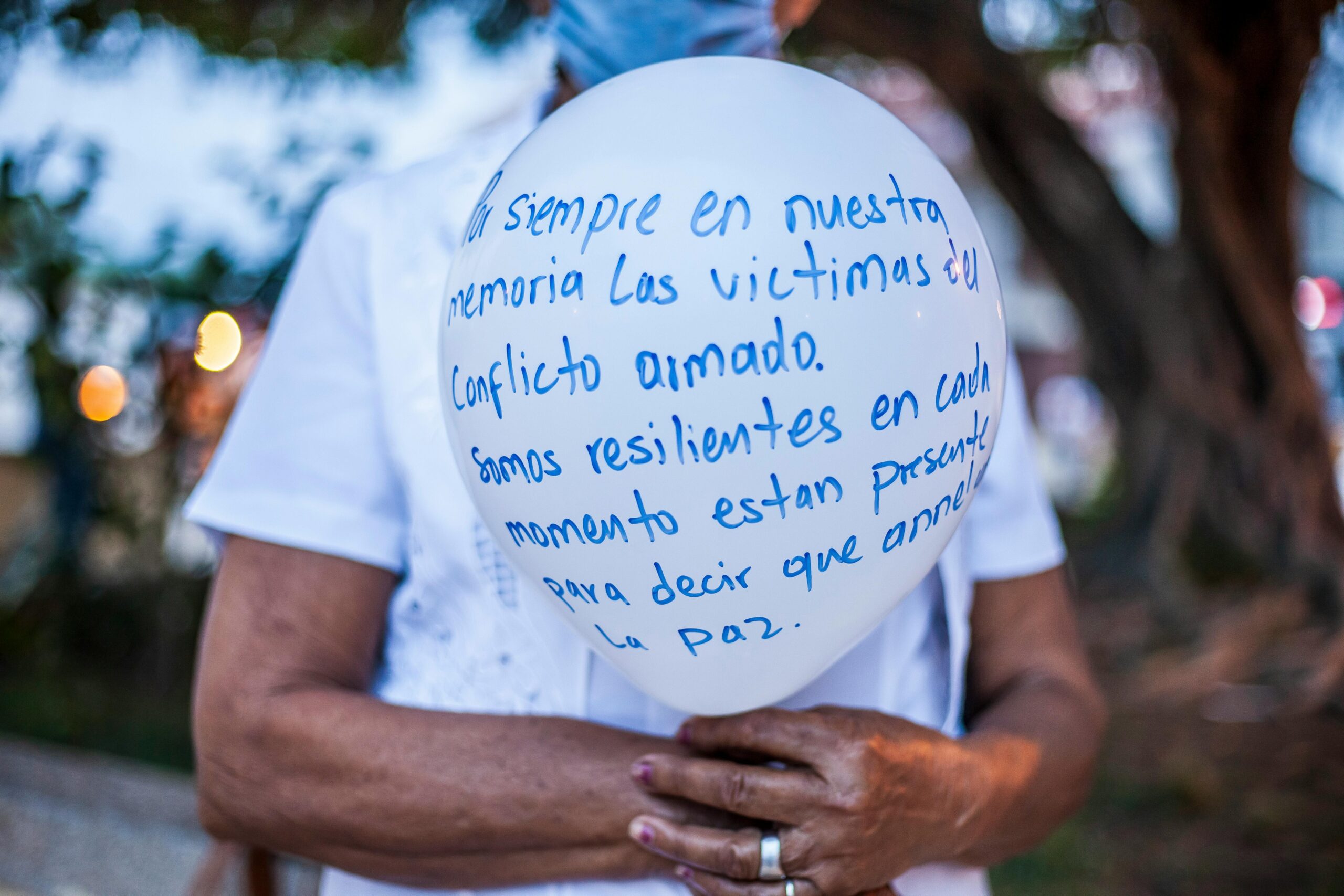
🔮 Sustaining Momentum: From Agreement to Transformation
The most challenging phase of conflict resolution often comes after formal agreements, when the difficult work of implementation and relationship transformation begins. Many peace processes falter during this period because attention and resources shift elsewhere before genuine change takes root.
Sustainable peacebuilding requires long-term commitment extending years or decades beyond initial agreements. Mechanisms for ongoing dialogue, monitoring of commitments, adaptation to changing circumstances, and addressing implementation challenges prove essential. Quick wins that demonstrate tangible benefits maintain momentum and build confidence in the process.
Celebrating milestones along the journey reinforces progress and sustains motivation. Acknowledging how far communities have come while remaining realistic about work ahead balances hope with determination. Storytelling that highlights human transformation makes abstract concepts tangible and inspiring.
Building harmony represents one of humanity’s most profound challenges and opportunities. As conflicts grow increasingly complex, innovative strategies that address root causes, transform relationships, engage communities, prevent escalation, and sustain momentum become ever more essential. The approaches explored here demonstrate that durable peace is possible when we combine wisdom with creativity, patience with determination, and technical skill with genuine compassion.
Each context demands adaptation of these principles to local realities, cultural contexts, and specific conflict dynamics. Yet the fundamental insight remains universal: sustainable resolution requires moving beyond managing symptoms to transforming the conditions, relationships, and systems that generate conflict. When we master this deeper approach to harmony, we create not just the absence of violence but the presence of justice, equity, and shared flourishing. 🕊️
