
Anúncios
Radio apps have transformed how millions of people consume audio content daily, offering instant access to thousands of stations worldwide right from your smartphone.


The evolution of radio broadcasting has entered an exciting new chapter. What once required bulky transistor radios or stationary FM receivers now fits comfortably in your pocket. Modern radio applications bridge traditional broadcasting with digital convenience, creating seamless listening experiences that adapt to your lifestyle.
Anúncios
Whether you’re commuting to work, exercising at the gym, or relaxing at home, radio apps deliver your favorite stations, podcasts, and music channels with remarkable clarity. These platforms have democratized access to global content, breaking geographical barriers that once limited what listeners could enjoy. Let’s explore everything you need to know about radio apps and how they’re reshaping audio entertainment. 📻
What Makes Radio Apps Essential in 2024
The digital transformation of radio has created unprecedented opportunities for both listeners and broadcasters. Radio apps serve as comprehensive audio hubs, consolidating thousands of stations into single, user-friendly interfaces. This consolidation eliminates the need for multiple bookmarks or physical tuning.
Anúncios
Unlike traditional FM/AM radio, these applications offer crystal-clear sound quality that doesn’t depend on signal strength or atmospheric conditions. Buffering technology ensures minimal interruptions, while adaptive streaming adjusts to your internet connection speed automatically.
Modern radio apps also integrate social features, allowing you to share favorite songs, discover what friends are listening to, and even interact with broadcasters in real-time through chat functions. This interactivity transforms passive listening into active engagement.
Key Features That Define Top Radio Applications
Premium radio apps distinguish themselves through specific functionalities that enhance user experience significantly. Recording capabilities let you capture live broadcasts for later playback, perfect for time-shifted listening when schedules don’t align with your favorite programs.
Sleep timers and alarm functions turn your device into a sophisticated radio clock, gently waking you with preferred stations or automatically shutting off after you’ve drifted to sleep. These seemingly simple features dramatically improve daily utility.
- Offline listening: Download favorite stations or shows for playback without internet connectivity
- Smart recommendations: AI-powered suggestions based on listening habits and preferences
- Multi-device synchronization: Seamless transition between phone, tablet, and smart speakers
- High-quality audio streaming: Options ranging from data-saving modes to lossless formats
- Customizable interfaces: Personalized dashboards showcasing your most-accessed content
- Integrated podcast libraries: Access to on-demand content alongside live streams
How Radio Apps Work Behind the Scenes
Understanding the technical infrastructure helps appreciate the complexity behind these seemingly simple applications. Radio apps utilize internet streaming protocols to deliver audio content from broadcasting servers to your device in real-time.
When you select a station, the app establishes a connection with the broadcaster’s streaming server. Audio data transmits in small packets, which your device reassembles and plays continuously. Buffering stores a few seconds ahead to compensate for network fluctuations.
Most applications support multiple streaming formats including MP3, AAC, and HLS (HTTP Live Streaming). The app automatically selects the optimal format based on your device capabilities and connection speed, ensuring the best possible experience without manual configuration.
Bandwidth Consumption and Data Management
Data usage remains a primary concern for mobile listeners, especially those with limited plans. Standard quality streaming typically consumes between 40-60 MB per hour, while high-quality streams can use 100-150 MB hourly.
Smart radio apps include data-saving modes that reduce bitrate without severely compromising audio quality. These modes are particularly valuable when using cellular data instead of Wi-Fi connections. Some applications also provide detailed statistics showing exactly how much data you’ve consumed.

Exploring Different Types of Radio Applications
The radio app ecosystem encompasses several distinct categories, each serving specific listener preferences and needs. Understanding these categories helps you select the perfect application for your listening habits. 🎧
Aggregator apps compile stations from multiple sources into searchable databases. These platforms typically offer the widest selection, ranging from major commercial broadcasters to independent community stations worldwide. Their strength lies in variety and discovery features.
Station-specific apps come directly from individual broadcasters, offering enhanced features for loyal listeners. These often include exclusive content, behind-the-scenes access, contest participation, and direct communication channels with hosts and personalities.
Genre-focused platforms curate stations around specific music styles or content types. Whether you’re passionate about jazz, classical, sports talk, or news programming, specialized apps deliver precisely what you’re seeking without irrelevant options cluttering your interface.
Regional Versus Global Platform Considerations
Regional radio apps excel at delivering local content with superior metadata, including accurate traffic reports, weather updates, and community announcements. They understand local licensing requirements and often provide better integration with regional content providers.
Global platforms offer unparalleled variety, connecting you with international perspectives and musical traditions. They’re ideal for expatriates wanting to maintain connections with home countries, language learners seeking authentic content, or curious explorers discovering new cultures through their audio landscapes.
Setting Up Your Perfect Radio App Experience
Initial configuration significantly impacts long-term satisfaction with radio applications. Start by granting necessary permissions—location access helps identify nearby stations, while notification permissions enable alerts for favorite program starts.
Create a personalized station list immediately. Most apps allow favorites or presets, typically accommodating 10-50 stations depending on the platform. Organize these logically—perhaps by genre, language, or listening context (work, workout, relaxation).
Explore audio quality settings and select appropriate options for different scenarios. Choose high quality for Wi-Fi listening at home, but switch to data-saving modes when streaming over cellular networks during commutes.
Maximizing Battery Life During Extended Listening
Radio streaming can drain batteries quickly if not optimized properly. Enable battery saver modes within the app, which typically reduce visual effects and limit background processes while maintaining audio quality.
Lower screen brightness or turn off the display entirely during listening sessions. Audio continues playing regardless of screen state, and this single adjustment can extend battery life by 30-40% during typical usage.
Consider downloading content when possible for offline listening. Streaming requires constant data transmission and processing, which consumes more power than playing locally stored files. This approach also eliminates buffering interruptions in areas with unreliable connectivity.
Discovering New Stations and Content
The overwhelming abundance of available stations can feel paralyzing initially. Start with familiar genres or stations you’ve enjoyed previously through traditional methods. This provides a comfortable foundation before exploring unfamiliar territory. 🔍
Utilize recommendation engines and curated playlists. These algorithmic suggestions analyze your listening patterns, identifying stations with similar programming that you haven’t discovered yet. Give recommendations genuine chances—you might uncover unexpected favorites.
Browse by location to experience different regional flavors. Listening to stations from various cities or countries provides cultural insights and diverse perspectives you won’t find through local broadcasting alone.
Leveraging Social Features for Better Discovery
Many radio apps incorporate social elements that transform discovery into a community experience. Follow friends or influencers whose musical taste you admire, seeing what they’re currently enjoying or have recently discovered.
Participate in app communities and forums where enthusiasts share hidden gems and discuss programming. These passionate listeners often provide better recommendations than algorithms, offering context and enthusiasm that pure data cannot replicate.
Understanding Radio App Monetization Models
Radio applications employ various business models, each affecting user experience differently. Free ad-supported versions remain most common, inserting promotional content between songs or during natural broadcasting breaks.
Premium subscriptions typically cost between $3-10 monthly, removing advertisements and unlocking advanced features like unlimited skips, higher audio quality, offline downloads, and exclusive content. These tiers make sense for dedicated listeners who use apps daily.
Some platforms operate on freemium models, providing full functionality with occasional upgrade prompts. These balance accessibility with sustainability, allowing users to enjoy complete experiences without mandatory payments while offering optional enhancements for those desiring additional capabilities.
Evaluating Whether Premium Features Justify Costs
Consider your listening habits honestly before committing to subscriptions. If you use the app more than an hour daily, premium features often provide excellent value through improved convenience and experience quality.
Calculate advertisement time savings. Free versions might include 3-5 minutes of ads per hour. Over a month of daily listening, that accumulates to several hours—time you could reclaim through relatively modest subscription costs.
Technical Requirements and Compatibility Considerations
Most modern radio apps require relatively modest device specifications. Current Android versions (7.0+) and iOS versions (12.0+) typically support all major applications without issues. Older devices may experience limitations or reduced functionality.
Storage requirements vary considerably. Basic apps occupy 20-50 MB, while feature-rich platforms with offline capabilities might require 100-200 MB plus additional space for downloaded content. Regularly clearing cache prevents unnecessary storage consumption.
Internet connectivity remains the primary technical requirement. Minimum speeds of 256 kbps enable basic streaming, though 512 kbps or higher delivers noticeably better quality and reliability. Wi-Fi 4 (802.11n) or newer provides optimal performance for home listening.
Cross-Platform Functionality and Ecosystem Integration
Leading radio apps support multiple platforms, enabling seamless experiences across smartphones, tablets, computers, and smart devices. Cloud synchronization maintains consistent favorites, history, and preferences regardless of which device you’re currently using. ☁️
Integration with automotive systems through Android Auto and Apple CarPlay has become standard. These connections provide safe, hands-free control while driving, displaying station information on vehicle screens and enabling voice commands for station changes.
Smart home compatibility transforms radio apps into whole-house audio solutions. Cast to Chromecast devices, stream through Alexa or Google Home speakers, or distribute sound via AirPlay to multiple rooms simultaneously.
Privacy and Security in Radio Applications
Radio apps collect various data types, from basic usage statistics to detailed listening patterns. Review privacy policies carefully, understanding what information is gathered, how it’s used, and whether it’s shared with third parties.
Location permissions deserve particular scrutiny. While they enable helpful features like local station discovery and region-appropriate content, they also create detailed movement profiles. Grant location access only when genuinely beneficial, and consider revoking permissions for apps you use infrequently.
Secure streaming protocols protect your data during transmission. Look for apps using HTTPS connections rather than unencrypted HTTP, especially when providing login credentials or payment information for premium subscriptions.
Troubleshooting Common Radio App Issues
Buffering problems frustrate listeners universally. When experiencing frequent interruptions, first test your internet connection speed independently. If speeds meet minimum requirements but buffering persists, try lowering the stream quality setting or switching between Wi-Fi and cellular data.
Station availability sometimes changes unexpectedly when broadcasters modify streaming arrangements or licensing agreements. If favorite stations disappear, search for them specifically—they might have moved within the app’s directory or changed names.
Audio quality issues often stem from automatic quality adjustment features. Disable adaptive streaming if you prefer consistent quality and have reliable, fast internet connections. Manual quality selection provides greater control over your listening experience.
When Apps Won’t Load or Crash Frequently
Force-closing and restarting applications resolves many temporary glitches. On iOS, swipe up from the bottom and dismiss the app; on Android, access recent apps and close from there. Relaunch after a few seconds for a fresh start.
Clear app cache and data when problems persist. This resets the application to its original state, eliminating corrupted files or problematic settings. Note that you’ll need to reconfigure preferences and log in again after clearing data.
Update to the latest version regularly. Developers continuously fix bugs and improve performance through updates. Enable automatic updates or manually check for new versions weekly to maintain optimal functionality.
The Future of Radio Applications and Emerging Trends
Artificial intelligence continues reshaping radio app capabilities. Advanced algorithms now generate personalized stations mixing live broadcasts, podcasts, and music based on your unique preferences, creating truly customized audio experiences previously impossible. 🚀
Interactive features are expanding beyond simple song requests. Upcoming developments include real-time voting on playlist content, listener-influenced programming decisions, and augmented reality experiences that visualize music or provide contextual information about broadcasts.
5G connectivity will transform mobile listening through dramatically increased bandwidth and reduced latency. This enables higher-quality streams, instant station switching, and new formats like spatial audio that create immersive, three-dimensional soundscapes.
Voice control integration deepens as natural language processing improves. Future radio apps will understand complex conversational commands like “play that station we listened to last Tuesday” or “find me something upbeat but not too energetic” with impressive accuracy.
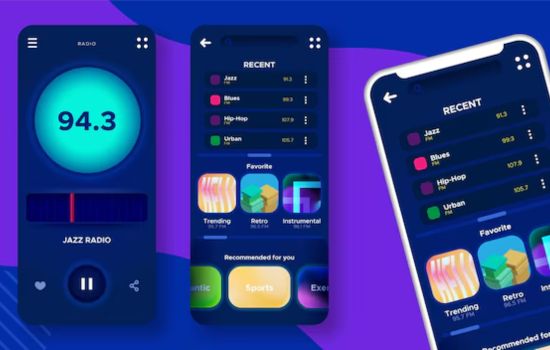
Making Radio Apps Part of Your Daily RoutineInnovative Radio App: Redefining How We Listen
Radio applications offer remarkable value when integrated thoughtfully into daily life. Start mornings with news-focused stations providing context for the day ahead. Commute times become opportunities for learning through talk programs or language practice via international stations.
Workout sessions benefit from energetic music stations that maintain motivation without requiring playlist curation. Background listening during work or study can boost productivity—choose instrumental stations or broadcasts in unfamiliar languages to minimize distraction while providing ambient sound.
Evening wind-down routines improve with calming jazz, classical, or ambient stations. Using sleep timers allows radio to ease you into rest without playing all night unnecessarily.
The versatility of modern radio apps means there’s perfect content for every moment, mood, and activity. They represent remarkable technological achievements that honor radio’s rich history while embracing digital possibilities. Whether rediscovering old favorites or exploring entirely new audio territories, these applications put the world’s broadcasts literally at your fingertips, ready whenever inspiration strikes. 🎵
