
Anúncios
Learning to drive is more than just passing a test—it’s about mastering skills that ensure safety, confidence, and freedom on the road for life.


Every great driver started exactly where you are now—curious, perhaps nervous, and eager to gain independence.
Anúncios
The journey from nervous beginner to confident driver doesn’t happen overnight, but with the right approach, dedication, and mindset, anyone can master the art of driving.
Whether you’re a teenager anticipating your first license or an adult finally taking the plunge, understanding the fundamentals and developing good habits early will set you apart.
Anúncios
Let’s explore the comprehensive path to becoming not just a licensed driver, but truly a great one. 🚗
🎯 Understanding What Makes a Great Driver
Before diving into the mechanics of learning to drive, it’s essential to understand what separates average drivers from exceptional ones. Great drivers aren’t simply those who can operate a vehicle—they’re individuals who consistently make smart decisions, anticipate hazards, and prioritize safety above all else.
Exceptional drivers possess a combination of technical skills and mental attributes. They maintain awareness of their surroundings at all times, understand vehicle dynamics, and respect other road users. Most importantly, they recognize that learning never truly stops, even after years behind the wheel.
Key Characteristics of Skilled Drivers
Great drivers share several common traits that distinguish them on the road. Patience tops the list—they don’t rush, tailgate, or make aggressive maneuvers. They also demonstrate consistent defensive driving practices, always assuming other drivers might make mistakes.
- Situational awareness: Constantly scanning mirrors, checking blind spots, and anticipating potential hazards
- Smooth control: Gentle acceleration, braking, and steering that keeps passengers comfortable
- Emotional regulation: Staying calm under pressure and never driving angry or distracted
- Rule adherence: Following traffic laws not just to avoid tickets, but because they enhance safety
- Continuous learning: Adapting to new road conditions, technologies, and driving environments
📚 Starting Your Driving Education the Right Way
Your driving education begins long before you sit in the driver’s seat. Research your local requirements for learner’s permits, age restrictions, and mandatory training hours. Each region has specific regulations, and understanding these upfront prevents frustration later.
Consider enrolling in a reputable driving school rather than relying solely on family members for instruction. Professional instructors bring structured curricula, patience, and dual-control vehicles that make learning safer and more efficient. They’ve taught hundreds of students and know exactly which mistakes beginners typically make.
Choosing the Right Driving School
Not all driving schools offer the same quality of instruction. Look for schools with certified instructors, good online reviews, and comprehensive programs that cover both theoretical knowledge and practical skills. Ask about their pass rates and whether they offer pickup services from your home or school.
The best schools provide varied driving experiences—residential streets, highways, parking lots, and challenging intersections. They should also teach defensive driving techniques and hazard perception, not just the basics needed to pass the test.
🔑 Mastering the Fundamental Skills
Every driving journey begins with understanding the basics. Before moving the vehicle, familiarize yourself with all controls—pedals, steering wheel, gear shift, indicators, lights, and dashboard instruments. This might seem obvious, but many beginners feel overwhelmed by the number of things to monitor simultaneously.
Start in empty parking lots where you can practice without traffic pressure. Learn to start smoothly, brake gently, and steer with precision. These fundamental skills form the foundation upon which all advanced techniques are built.
Essential Vehicle Control Techniques
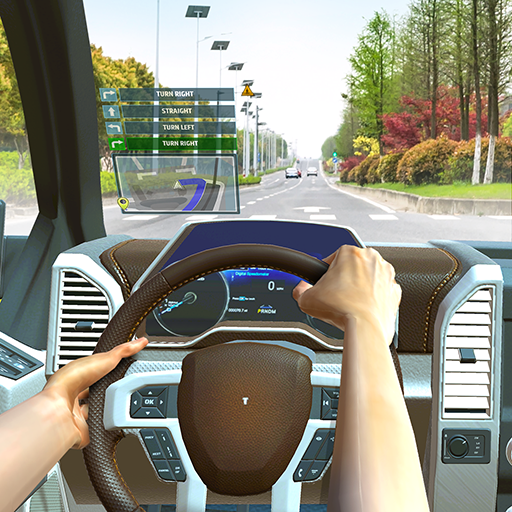
Proper vehicle control starts with correct seating position. Adjust your seat so you can comfortably reach all pedals while maintaining a slight bend in your knees. Your hands should rest on the steering wheel at the 9 and 3 o’clock positions, allowing maximum control and comfort.
Practice smooth inputs—jerky steering, harsh braking, or sudden acceleration unsettles the vehicle and passengers. Think of driving as a fluid activity where every action flows naturally into the next. Your goal is to make the car move as if on rails, predictable and controlled.
Understanding Your Vehicle’s Blind Spots
Every vehicle has blind spots—areas around the car that mirrors don’t fully cover. Learning where these zones exist and developing the habit of checking them before changing lanes or turning is crucial. Many accidents happen because drivers rely solely on mirrors.
Practice shoulder checks at every opportunity. Turn your head to look over your shoulder before merging, changing lanes, or backing up. This simple habit, ingrained early, prevents countless collisions throughout your driving life.
🛣️ Progressing from Basic to Advanced Driving
Once you’re comfortable with basic vehicle control, gradually introduce more challenging scenarios. Start driving in low-traffic residential areas during daylight hours, then progressively tackle busier streets, highways, night driving, and adverse weather conditions.
Each new challenge builds upon previous skills. Highway driving teaches higher-speed vehicle control and merging techniques. Night driving develops your ability to interpret limited visual information. Rain and snow teach you about traction limits and gentle inputs.
Highway Driving Confidence
Highways intimidate many new drivers with their higher speeds and merging requirements. The key is understanding that everyone on the highway is traveling in the same direction at similar speeds, which actually makes it safer than navigating complex intersections.
When merging, match the highway speed before entering traffic. Use your entire acceleration lane, check your blind spot, and merge smoothly without causing other drivers to brake. Maintain consistent speed in your lane, staying alert for vehicles merging from entrance ramps.
Mastering Parking Skills
Parking challenges many drivers throughout their lives. Practice parallel parking, perpendicular parking, and angle parking until these maneuvers become second nature. Understanding reference points—specific spots on your car aligned with features outside—makes parking mathematical rather than guesswork.
Don’t rush parking. Take extra time to position correctly rather than forcing your vehicle into tight spaces. Use all your mirrors, and when uncertain, get out to check your clearances. Even experienced drivers occasionally need visual confirmation.
🧠 Developing Defensive Driving Mindset
Defensive driving isn’t just a technique—it’s a philosophy that assumes other road users might make mistakes at any moment. This mindset keeps you scanning ahead, planning escape routes, and maintaining safe following distances that give you reaction time.
Always ask yourself “what if?” scenarios. What if that pedestrian steps into the road? What if the car ahead brakes suddenly? What if the traffic light changes? This mental preparation means you’re never caught completely off guard by unexpected events.
The Two-Second Following Distance Rule
Maintaining proper following distance ranks among the most important defensive driving techniques. The two-second rule—staying at least two seconds behind the vehicle ahead—provides adequate reaction time for most situations. In poor weather or high speeds, increase this to three or four seconds.
To measure, watch the car ahead pass a fixed object like a sign or pole. Count “one thousand one, one thousand two” before you pass the same object. If you reach it sooner, you’re following too closely and need to back off.
Anticipating Other Drivers’ Actions
Great drivers read subtle cues that telegraph other drivers’ intentions. A vehicle drifting toward lane markings might be about to change lanes. Brake lights illuminating in a line of traffic ahead signal you should prepare to slow down, even before the car immediately in front of you brakes.
Watch pedestrians’ body language near crosswalks. Notice cyclists’ hand signals. Observe whether drivers approaching intersections are actually slowing down or merely coasting. These observations transform you from reactive to proactive, preventing rather than responding to hazards.
⚠️ Avoiding Common Beginner Mistakes
Every new driver makes mistakes—it’s part of the learning process. However, understanding common pitfalls helps you avoid the most dangerous ones. Many accidents involving new drivers stem from predictable errors that proper awareness can prevent.
Overconfidence represents perhaps the greatest danger. After a few months of incident-free driving, many beginners believe they’ve mastered all skills. This false confidence leads to risk-taking behaviors like speeding, distracted driving, or driving under challenging conditions beyond their experience level.
The Distraction Danger
Smartphones have made distracted driving epidemic among all age groups, but new drivers face particular vulnerability. Your attention capacity while driving is still developing—you need more conscious focus than experienced drivers to maintain safe operation.
Establish a zero-phone policy while driving. Put your device in the glove box, silence notifications, and commit to responding only after you’ve safely parked. No message, call, or social media update is worth risking your life or others’ safety.
Speed Management
New drivers often either drive too cautiously, frustrating other traffic, or too aggressively, overestimating their abilities. Appropriate speed means traveling at the posted limit when conditions allow, but slower when weather, visibility, or traffic demands caution.
Speed limits represent maximum safe speeds under ideal conditions—not targets to always hit. Rain, fog, heavy traffic, or unfamiliar roads all require reduced speeds. Great drivers adjust their speed to match current conditions, not just legal limits.
🌧️ Handling Challenging Weather and Road Conditions
Adverse conditions separate competent drivers from great ones. Rain, snow, ice, and fog each present unique challenges requiring specific techniques and heightened awareness. Never let schedule pressure force you to drive beyond your comfort level in dangerous conditions.
When conditions deteriorate, slow down, increase following distances, and use lights appropriately. Remember that other drivers might not adjust their behavior, so you need to compensate by being even more cautious and defensive than usual.
Rain and Wet Road Techniques
Wet roads dramatically reduce traction, extending stopping distances and making sudden maneuvers dangerous. Hydroplaning occurs when water builds between tires and road surface, causing complete loss of control. Reduce speed, avoid sudden inputs, and if you feel the car sliding, ease off the accelerator without braking harshly.
The most dangerous time is during the first rain after a dry period, when oil residue rises to the surface, creating extremely slippery conditions. Exercise extra caution during these initial minutes of rainfall.
Winter Driving Essentials
Snow and ice multiply driving challenges exponentially. Accelerate gently, brake early and softly, and take turns at crawling speeds. If your vehicle has them, understand how stability control and anti-lock brakes function—they help maintain control but don’t override physics.
Practice in empty parking lots when conditions allow. Learn how your vehicle responds when traction is limited. Understanding these limits in a controlled environment prepares you for unexpected slides on real roads.
💡 Continuing Your Development as a Driver
Passing your driving test marks the beginning, not the end, of your development as a driver. The months and years following licensure shape whether you become merely adequate or truly skilled behind the wheel.
Seek varied driving experiences. Drive different vehicle types, explore unfamiliar areas, and challenge yourself with complex driving environments. Each experience expands your capabilities and confidence. Consider advanced driving courses that teach emergency maneuvers, high-performance vehicle control, or specialized skills like towing.
Learning from Every Drive
Treat every drive as a learning opportunity. Reflect on mistakes—what caused them and how can you prevent repetition? Analyze close calls to understand what warning signs you missed. Even consider riding as a passenger occasionally, observing other drivers’ techniques and decision-making.
Great drivers maintain humility regardless of experience. They recognize that road conditions, vehicle technology, and traffic patterns constantly evolve, requiring ongoing adaptation and learning. This growth mindset separates truly skilled drivers from those who merely repeat the same year of experience decade after decade.
🎓 The Role of Technology in Modern Driver Education
Today’s learner drivers benefit from technological tools previous generations never imagined. Driving simulator apps provide risk-free practice environments where you can develop hazard recognition and decision-making skills. Dashboard cameras record your drives for later review, helping identify improvement areas.
Many modern vehicles include driver assistance features like lane departure warnings, blind spot monitoring, and automatic emergency braking. While these technologies enhance safety, don’t become dependent on them—develop fundamental skills that work in any vehicle, new or old.
Using Simulator Apps Effectively
Quality driving simulator applications offer surprisingly realistic practice for specific skills like parking, navigating traffic, and responding to hazards. While they can’t replace actual driving experience, they provide valuable supplementary practice, especially for developing situational awareness and decision-making patterns.
Use simulators to practice scenarios that are difficult to recreate safely in real life, such as emergency braking, obstacle avoidance, or extreme weather conditions. The muscle memory and mental patterns you develop translate surprisingly well to actual driving.
🚦 Understanding Traffic Psychology and Road Etiquette
Driving exists within a social context where courtesy, communication, and mutual respect make roads safer and more pleasant for everyone. Understanding the unwritten rules of road etiquette marks the difference between a technically competent driver and one who integrates smoothly into traffic flow.
Use turn signals not just when legally required but whenever your actions might affect another road user. Wave to acknowledge when someone yields to you. Maintain appropriate lane discipline on highways. These courtesies seem small but collectively create more harmonious traffic environments.
Managing Road Rage and Stress
Traffic frustrations affect everyone, but how you respond determines your safety and wellbeing. Never engage with aggressive drivers—their behavior reflects their problems, not anything you’ve done. If someone drives aggressively around you, create space and let them pass rather than defending your position.
When you feel anger rising, focus on deep breathing and remember that arriving safely matters more than arriving quickly. If necessary, pull over safely until you’ve calmed down. Emotional driving impairs judgment as significantly as alcohol or fatigue.
🌟 Building Confidence Behind the Wheel
Confidence develops gradually through accumulated positive experiences. Don’t rush the process by attempting situations beyond your current skill level. Set small, achievable goals—driving to a nearby store alone, then progressively tackling busier routes and more challenging conditions.
Celebrate improvements while maintaining realistic self-assessment. If something went poorly, analyze why without harsh self-judgment. Every skilled driver has stories of early mistakes—what matters is learning from them rather than repeating them.
Overcoming Driving Anxiety
Some learners experience significant anxiety about driving. This is completely normal and doesn’t predict your eventual skill level. Start with very short drives in low-stress environments, gradually expanding your comfort zone as confidence builds.
Consider working with a specialized instructor experienced in anxious students. They’ll progress at your pace without pressure, providing techniques for managing stress while driving. Remember that feeling nervous demonstrates awareness of driving’s seriousness—overconfident beginners often pose greater risks.

🏁 Your Journey to Driving Excellence
Becoming a great driver requires more than memorizing rules and passing tests—it demands commitment to continuous improvement, situational awareness, and respect for the responsibility you accept when operating a vehicle. The skills you develop now will serve you for decades to come.
Approach driving as a craft worth mastering rather than just a means of transportation. Take pride in smooth vehicle control, smart decision-making, and courteous road sharing. These qualities transform driving from a necessary chore into a genuinely enjoyable skill that enhances your independence and quality of life.
Start your journey with patience, practice deliberately, and never stop learning. Every experienced driver on the road today started exactly where you are now—nervous, uncertain, but willing to learn. With dedication and the right mindset, you’ll soon join the ranks of truly skilled drivers who navigate roads safely, confidently, and competently. The road ahead is yours to master. 🚗✨
