
Anúncios
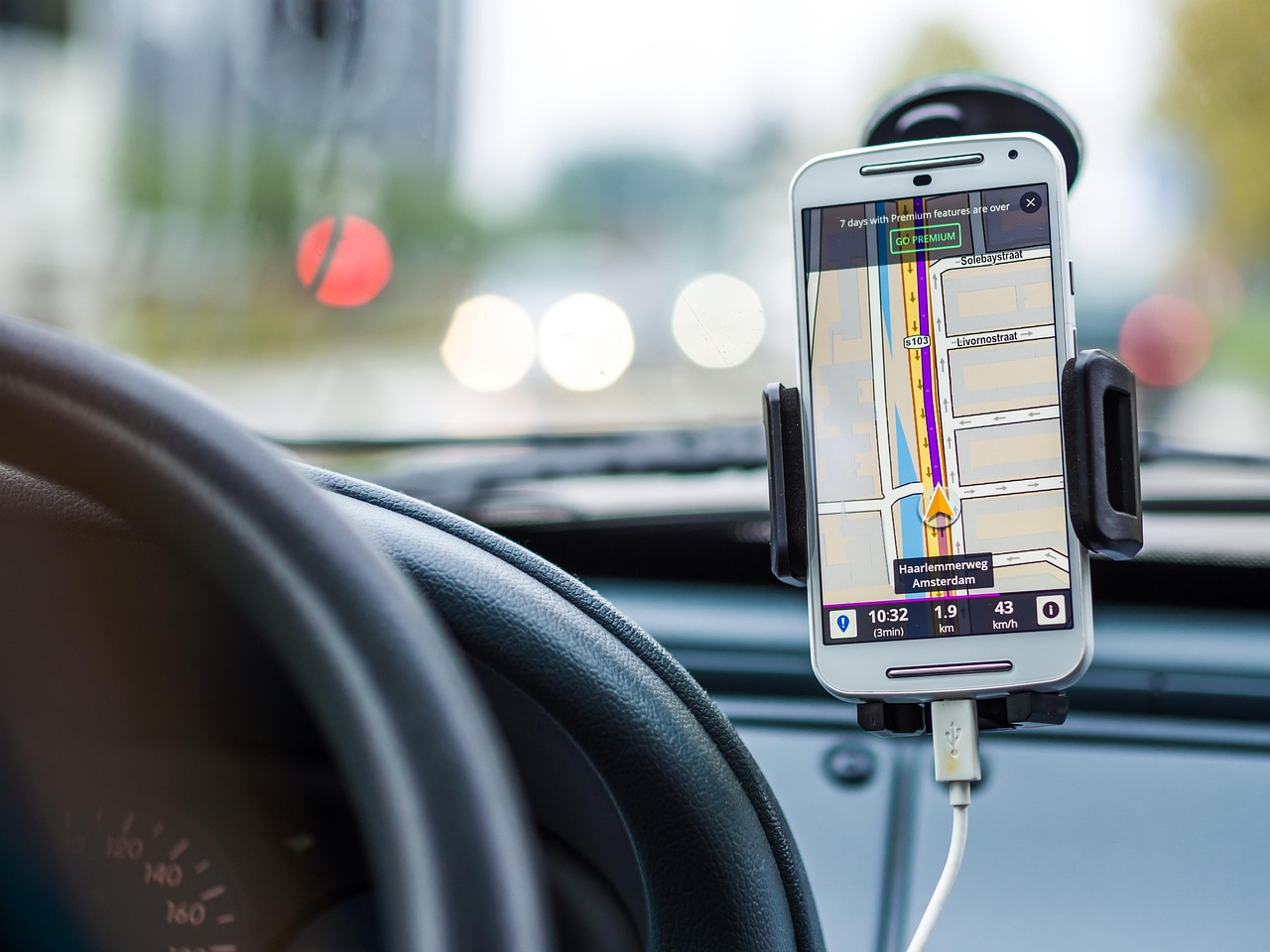
Modern navigation has evolved beyond bulky devices into sleek, intelligent applications that transform smartphones into powerful GPS tools accessible anywhere, anytime.


GPS technology has become an indispensable part of daily life, guiding millions of people through unfamiliar streets, helping travelers discover new destinations, and ensuring delivery drivers reach their customers efficiently.
Anúncios
What once required expensive dedicated hardware now fits comfortably in your pocket, offering real-time updates, traffic predictions, and personalized recommendations at your fingertips.
The transformation from traditional navigation systems to smartphone-based GPS applications represents more than just technological advancement—it signifies a fundamental shift in how we interact with our environment.
Anúncios
These apps have democratized navigation, making sophisticated location services available to anyone with a smartphone, regardless of their technical expertise or budget constraints.
📱 The Evolution of Mobile Navigation Technology
The journey from paper maps to digital navigation has been remarkable. Early GPS devices were bulky, expensive, and limited in functionality. They required regular manual updates and offered little more than basic turn-by-turn directions. Today’s GPS applications leverage cloud computing, artificial intelligence, and crowdsourced data to deliver experiences that would have seemed like science fiction just two decades ago.
Smartphone GPS apps combine multiple technologies seamlessly. They integrate satellite positioning systems, cellular network triangulation, Wi-Fi positioning, and even Bluetooth beacons to pinpoint your location with impressive accuracy. This multi-layered approach ensures you receive reliable navigation even in challenging environments like urban canyons or indoor spaces where satellite signals struggle to reach.
The democratization of mapping data has played a crucial role in this evolution. Open-source mapping projects and contributions from millions of users worldwide have created comprehensive, constantly updated digital representations of our planet. This collaborative approach ensures that even remote locations and newly constructed roads appear quickly in navigation apps.
🎯 Core Features That Define Modern GPS Apps
Contemporary GPS applications offer far more than simple directions. They’ve evolved into comprehensive travel companions that anticipate needs and adapt to changing circumstances. Understanding these core features helps users maximize the value they extract from these powerful tools.
Real-Time Traffic Intelligence
One of the most transformative features in modern GPS apps is real-time traffic monitoring. By analyzing data from millions of users simultaneously on the road, these applications identify congestion patterns, accidents, and road closures as they happen. The system automatically recalculates routes to avoid delays, potentially saving hours of frustration during rush hour commutes.
Traffic prediction algorithms have become increasingly sophisticated, learning from historical patterns to forecast congestion before it occurs. If you plan a trip for later in the day, the app considers expected traffic conditions at your departure time, providing more accurate travel estimates than simple distance calculations ever could.
Multi-Modal Transportation Options
Modern GPS apps recognize that navigation isn’t exclusively about driving. They integrate public transportation schedules, walking directions, cycling routes, and even ride-sharing options into a cohesive experience. This multi-modal approach empowers users to choose the most efficient, economical, or environmentally friendly transportation method for each journey.
For urban dwellers, this integration proves invaluable. The app might suggest taking a bus for the main journey, then walking the final half-mile to your destination—all calculated to minimize total travel time. Real-time updates about transit delays ensure you’re never left waiting at a station for a train that’s running late.
Voice-Guided Navigation
Hands-free operation has become essential for safe navigation, especially while driving. Voice guidance announces upcoming turns, lane changes, and points of interest without requiring drivers to take their eyes off the road. Advanced natural language processing makes these voice assistants increasingly conversational and context-aware.
Many GPS apps now support voice commands for destination entry, route preferences, and mid-journey adjustments. Simply speaking your destination eliminates the distraction and danger of typing while driving, making navigation safer for everyone on the road.
🌍 Offline Functionality: Navigation Without Connectivity
Internet connectivity isn’t always guaranteed, particularly when traveling internationally or exploring remote areas. Recognizing this limitation, leading GPS applications now offer robust offline functionality that ensures navigation continues seamlessly even without data connections.
Downloading maps before your journey allows the app to function independently of cellular networks or Wi-Fi. These offline maps include complete road networks, points of interest, and even business information. While real-time traffic updates naturally require connectivity, the core navigation features remain fully operational offline.
This capability transforms international travel experiences. Instead of purchasing expensive international data plans or hunting for Wi-Fi hotspots, travelers download maps of their destination before departure. They can then navigate confidently through foreign cities without accumulating roaming charges or worrying about connectivity.

🔍 Discovery Features Beyond Basic Navigation
GPS applications have transcended their original purpose of getting from point A to point B. They’ve become powerful discovery tools that help users explore their surroundings, find businesses, read reviews, and make informed decisions about where to eat, shop, or visit.
Local Business Information
Integrated business listings provide phone numbers, operating hours, websites, and customer reviews directly within the navigation interface. This consolidation eliminates the need to switch between multiple apps when researching destinations. You can read recent reviews, view photos uploaded by other customers, and even see current busyness levels before deciding whether to visit.
For business owners, this integration represents a critical marketing channel. Maintaining accurate information, responding to reviews, and uploading appealing photos directly influences whether potential customers choose their establishment over competitors.
Personalized Recommendations
Machine learning algorithms analyze your search history, saved locations, and navigation patterns to offer personalized suggestions. If you frequently search for coffee shops in the morning, the app might proactively suggest highly-rated cafés along your route. These intelligent recommendations feel less like algorithmic suggestions and more like advice from a knowledgeable local friend.
Privacy-conscious users appreciate that most GPS apps allow granular control over data collection and personalization features. You can enjoy basic navigation functionality without sharing behavioral data if you prefer, though this naturally limits personalized recommendations.
🚗 Integration with Connected Vehicles
The automotive industry’s digital transformation has created seamless connections between GPS apps and vehicle infotainment systems. Apple CarPlay and Android Auto project smartphone navigation interfaces onto vehicle displays, providing larger screens, better integration with car controls, and safer interaction methods.
This integration extends beyond simple screen mirroring. Connected vehicles share information like fuel levels, electric vehicle charging station locations, and parking availability with navigation apps. The system can automatically suggest charging stops on long trips, calculate whether you have sufficient range to reach your destination, and even reserve parking spaces in advance.
Future developments promise even deeper integration. Vehicles might communicate directly with traffic infrastructure, receiving real-time updates about traffic signal timing, construction zones, and optimal speeds for hitting green lights. This vehicle-to-infrastructure communication will make navigation more efficient and reduce fuel consumption through optimized routing.
🏔️ Adventure and Outdoor Navigation
While most people associate GPS apps with urban navigation, specialized features have made them invaluable tools for outdoor enthusiasts. Hiking trails, mountain bike paths, and off-road routes now appear in detailed maps designed specifically for adventurers.
Topographic map layers show elevation changes, helping hikers assess trail difficulty before committing to a route. GPS tracking records your path, allowing you to retrace your steps if you venture off-trail or want to share your favorite routes with friends. Some apps even work with satellite communication devices to provide emergency assistance in areas without cellular coverage.
Outdoor navigation apps often include safety features like weather overlays, sunset time calculations, and emergency contact information. These tools help adventurers make informed decisions about when to turn back, where to set up camp, and how to stay safe in challenging environments.
🔐 Privacy Considerations in Location Services
The convenience of GPS applications comes with important privacy considerations. These apps necessarily collect location data to function, but understanding what information gets collected, how it’s used, and who can access it empowers users to make informed decisions about their digital privacy.
Most reputable GPS apps offer transparency about data collection practices. Location history features, while providing useful personal insights like travel statistics and timeline reviews, store detailed information about your movements. Users can disable these features, delete historical data, or use incognito modes that don’t save location information.
Third-party data sharing represents another consideration. Some apps share anonymized location data with advertisers, traffic data providers, or municipal planning departments. While this data sharing often improves services like traffic predictions and infrastructure planning, privacy-conscious users should review app permissions and privacy settings to ensure they’re comfortable with information sharing practices.
⚡ Battery Optimization and Performance
GPS navigation historically drained smartphone batteries rapidly, limiting its practicality for extended journeys. Modern apps have implemented numerous optimizations that significantly reduce power consumption while maintaining accuracy and functionality.
Intelligent sensor fusion reduces GPS usage by incorporating data from accelerometers, gyroscopes, and magnetometers. When your direction and speed remain relatively constant, the app relies more heavily on these less power-hungry sensors, only periodically checking GPS for position verification. This approach dramatically extends battery life without sacrificing navigation accuracy.
Screen brightness management, simplified graphics during navigation, and background processing limitations further conserve battery. Many apps offer power-saving modes that reduce update frequency and disable non-essential features when battery levels drop critically low, ensuring you maintain basic navigation capability even when your phone is nearly depleted.
🌟 Emerging Technologies Shaping Navigation’s Future
The GPS application landscape continues evolving rapidly as new technologies emerge and existing capabilities mature. Understanding these trends provides insight into how navigation will transform in coming years.
Augmented Reality Navigation
Augmented reality overlays directional arrows, location markers, and points of interest directly onto live camera feeds of your surroundings. This visual guidance proves particularly valuable for pedestrian navigation in complex urban environments where traditional map views can be confusing. AR navigation helps users immediately understand which direction to walk and precisely where to turn.
Early implementations show tremendous promise, though battery consumption and the need to hold phones while walking present challenges. As AR glasses and heads-up displays mature, this technology will likely become the dominant pedestrian navigation interface, keeping directions visible while allowing natural, hands-free movement.
Indoor Positioning Systems
GPS signals struggle to penetrate building structures, creating navigation gaps precisely where guidance often proves most valuable—inside airports, shopping malls, hospitals, and convention centers. Indoor positioning systems using Bluetooth beacons, Wi-Fi triangulation, and visual markers are filling this gap, extending seamless navigation from outdoors to indoors.
Imagine arriving at an unfamiliar airport and receiving turn-by-turn directions not just to the building, but to your specific gate, with notifications about security wait times and suggestions for nearby restaurants during layovers. Indoor positioning makes this scenario increasingly realistic.
Predictive Navigation Intelligence
Machine learning algorithms are becoming sophisticated enough to anticipate navigation needs before users explicitly request directions. Your phone might automatically suggest leaving early for your morning meeting because traffic is heavier than usual, or recommend alternative parking locations because your usual spot is full.
This predictive approach transforms GPS apps from reactive tools that respond to queries into proactive assistants that anticipate needs and offer solutions before problems arise. The line between navigation app and personal travel assistant continues blurring as artificial intelligence capabilities advance.
🎓 Maximizing Your GPS App Experience
Understanding advanced features and optimization techniques helps users extract maximum value from GPS applications. These practical tips enhance navigation experiences while addressing common frustrations.
- Download offline maps proactively: Before traveling to unfamiliar areas, download relevant map regions to ensure uninterrupted navigation regardless of connectivity issues.
- Customize voice guidance settings: Adjust announcement frequency, volume, and language to match your preferences and minimize distractions during navigation.
- Save frequent destinations: Label home, work, and regularly visited locations for one-tap navigation that saves time and reduces distraction.
- Explore alternative routes: Don’t automatically accept the first suggested route; review alternatives that might offer scenic views, fewer tolls, or more interesting stops.
- Update apps regularly: Regular updates include map improvements, new features, and performance optimizations that enhance navigation accuracy and reliability.
- Contribute corrections: Report map errors, closed businesses, and new points of interest to help improve accuracy for everyone in the community.
- Review privacy settings periodically: Ensure your data sharing preferences align with your current privacy expectations as features and policies evolve.
💡 The Social Impact of Ubiquitous Navigation
GPS applications have fundamentally altered how we interact with physical spaces and make decisions about movement. This technological shift carries profound social implications that extend far beyond individual convenience.
Economic opportunities have expanded as navigation apps reduce barriers to entry for delivery services, ridesharing, and location-based businesses. Independent contractors can compete effectively against established companies because sophisticated routing algorithms are freely available rather than requiring expensive proprietary systems.
Urban planning has been influenced by traffic data collected from millions of navigation app users. City planners now access unprecedented insights into traffic patterns, congestion points, and infrastructure needs, enabling more informed decisions about road construction, public transit routes, and traffic management strategies.
However, these benefits coexist with challenges. Over-reliance on digital navigation may diminish spatial awareness and wayfinding skills that humans have developed over millennia. Some researchers worry about cognitive impacts when people consistently delegate navigational thinking to artificial systems rather than actively engaging with their environment.
🚀 Making Navigation Work for Your Lifestyle
GPS applications offer remarkable functionality, but their true value emerges when integrated thoughtfully into daily routines. Different users have distinct needs, and customizing navigation experiences accordingly maximizes benefits while minimizing friction.
Commuters benefit from departure time notifications that account for current traffic, alternative route suggestions during incidents, and integration with public transit schedules. Setting up these features once creates ongoing value through reduced stress and more predictable travel times.
Travelers gain the most from offline maps, saved itineraries, and discovery features that highlight interesting locations along routes. Taking time before trips to research destinations, save relevant locations, and download necessary maps transforms potentially stressful navigation in unfamiliar places into confident exploration.
Business users should explore integration with calendar apps, customer relationship management systems, and productivity tools. Automatic navigation to upcoming appointments, optimized multi-stop routes for sales calls, and mileage tracking for expense reports streamline workflows and reduce administrative burdens.
The future of navigation lies literally in your palm, constantly evolving to become more intelligent, helpful, and integrated into the fabric of daily life. As these applications continue advancing, they promise not just to get us from place to place more efficiently, but to fundamentally enhance how we experience and interact with the world around us. Whether navigating familiar neighborhoods or exploring distant countries, GPS apps have become indispensable companions that empower confident, informed movement through our increasingly connected world.
