
Anúncios
Every community operates on invisible agreements that guide behavior far more powerfully than any written law. These unspoken codes shape how we interact daily.
From the moment we step into a coffee shop and instinctively lower our voices, to the way we navigate sidewalk traffic without collision, we’re constantly responding to informal rules that nobody explicitly taught us. These social norms form an intricate web of expectations, sanctions, and rewards that govern community life in ways both subtle and profound.
Anúncios
Understanding how informal rule policing works reveals fundamental truths about human cooperation, social cohesion, and the mechanisms that allow societies to function smoothly. Unlike formal laws enforced by police and courts, these unwritten regulations rely on community members themselves to monitor, enforce, and transmit cultural expectations across generations.
🔍 The Hidden Architecture of Social Order
Informal rules constitute the vast majority of behavioral regulation in any community. While formal laws address serious violations like theft and assault, informal norms govern everything else—how loudly we play music, how we dress for different occasions, appropriate conversation topics, and countless other daily interactions.
Anúncios
These unspoken codes emerge organically from repeated social interactions. When behaviors consistently produce positive outcomes for groups, they become normalized. Conversely, actions that disrupt harmony face social disapproval, creating negative reinforcement that discourages repetition.
The effectiveness of informal rule policing stems from its immediacy and ubiquity. Formal legal systems require reports, investigations, and proceedings. Informal systems operate in real-time through facial expressions, body language, comments, and social exclusion. A disapproving glance can modify behavior faster than any court ruling.
The Spectrum of Informal Enforcement Mechanisms
Communities employ various tools to maintain their unspoken codes, ranging from gentle reminders to severe social consequences. Understanding this spectrum helps explain why informal policing proves so effective despite lacking official authority.
- Subtle signals: Raised eyebrows, tone changes, and meaningful looks communicate disapproval without verbal confrontation
- Verbal corrections: Direct but polite reminders about community expectations, often framed as helpful advice
- Gossip and reputation management: Information networks that spread awareness of norm violations, affecting social standing
- Social distancing: Reduced interaction with persistent violators, creating isolation as punishment
- Complete ostracism: Total exclusion from community activities and social circles in extreme cases
🏘️ How Different Communities Develop Distinct Unspoken Rules
Every community cultivates its own unique set of informal norms based on history, demographics, economic conditions, and cultural values. What’s perfectly acceptable in one neighborhood might be scandalous in another just blocks away.
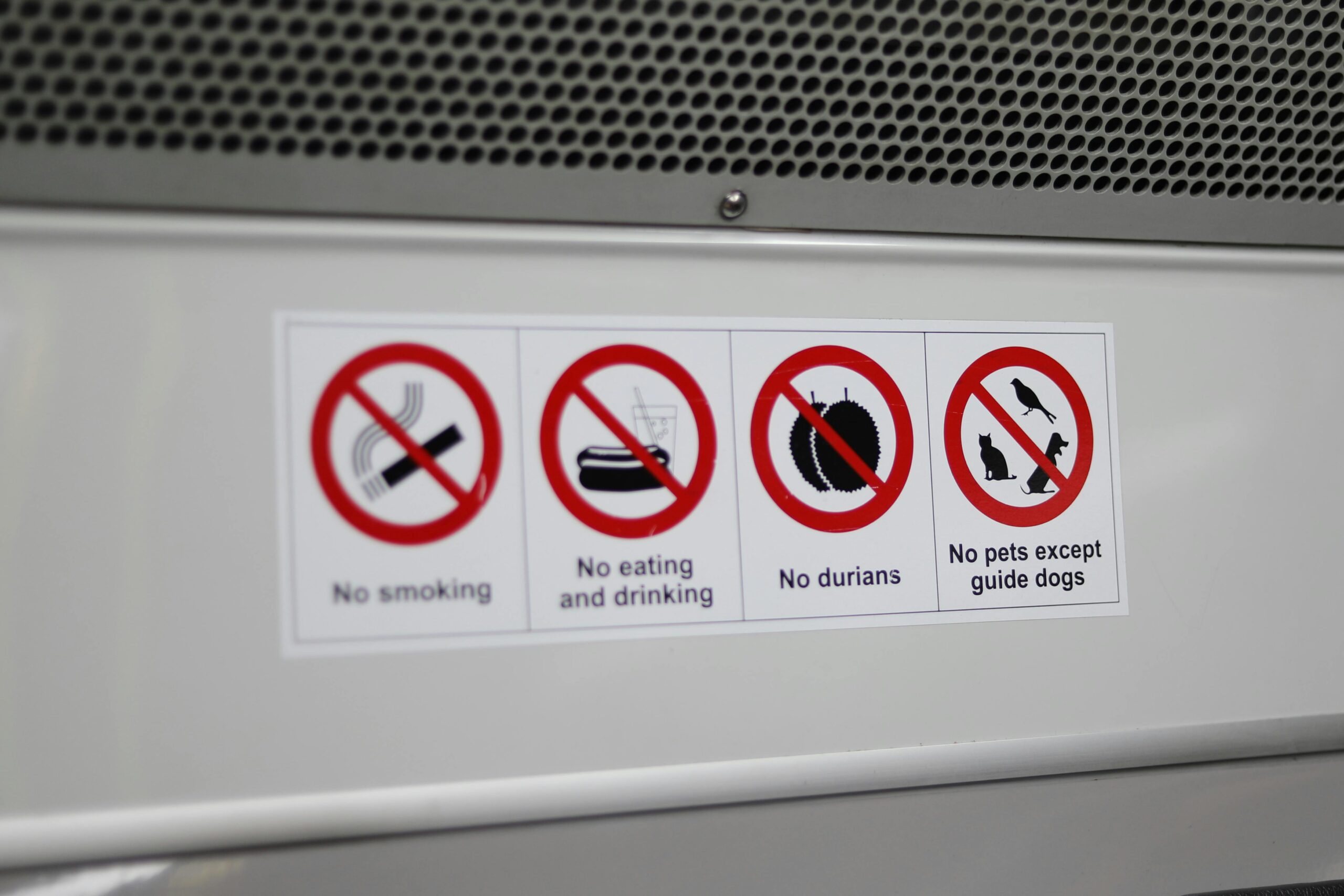
Urban communities often develop norms around personal space, noise levels, and anonymity. The unspoken code of subway etiquette—avoiding eye contact, keeping conversations quiet, not eating pungent foods—exists nowhere in written form yet gets enforced daily through social pressure.
Suburban areas typically emphasize property maintenance, scheduled quiet hours, and community participation. Homeowners who let their lawns deteriorate or skip neighborhood association meetings face informal sanctions through exclusion from social gatherings and community decision-making.
Rural communities frequently prioritize self-reliance, neighborly assistance during emergencies, and respect for land use traditions. Newcomers who violate these norms—calling authorities before asking neighbors for help, or fencing property in ways that disrupt traditional pathways—quickly experience social cooling.
Professional Environments and Their Invisible Expectations
Workplace cultures represent some of the most rigid informal rule systems. Every organization develops unwritten codes about communication styles, work hours, dress standards, and social interactions that often matter more than official policies.
The concept of “fitting in” largely means demonstrating awareness of these invisible expectations. Employees who respond to emails too quickly might be seen as overeager, while those who respond too slowly appear uncommitted. Neither timeline appears in any handbook, yet both carry consequences.
Professional informal rules also govern meetings, where speaking too much suggests arrogance but staying silent implies disengagement. Understanding when to defer to seniority versus when to show initiative requires reading social cues that vary dramatically across organizational cultures.
📱 Digital Spaces and the Evolution of Virtual Norms
Online communities have developed sophisticated informal rule systems despite lacking physical proximity. Each platform cultivates distinct norms about acceptable content, interaction styles, and community participation.
Reddit communities enforce their unspoken codes through upvotes and downvotes, creating immediate feedback that shapes user behavior. Posting off-topic content, missing inside jokes, or violating tone expectations results in swift negative karma that effectively ostracizes violators.
Twitter has developed complex norms around quote-tweeting, threading, and @ mentions that determine whether interactions read as collaborative or confrontational. Violating these subtle distinctions can trigger pile-ons that serve as digital versions of public shaming.
Facebook groups establish their own micro-cultures with specific expectations about post formatting, acceptable self-promotion levels, and response time norms. Long-time members police these boundaries vigilantly, often more strictly than formal moderators.
The Acceleration of Norm Enforcement in Digital Environments
Online informal rule policing operates with unique characteristics that amplify both its speed and severity compared to physical communities. The permanent nature of digital content means violations remain visible indefinitely, while the potential for viral spread turns minor infractions into major incidents.
Cancel culture represents an extreme form of digital informal policing where communities collectively enforce perceived norm violations through coordinated social exclusion. Whether justified or excessive, these actions demonstrate the power of distributed enforcement mechanisms operating without central authority.
🧠 The Psychology Behind Conformity to Unspoken Rules
Humans possess deep psychological drives toward social conformity that make informal rule policing remarkably effective. Our evolutionary history as cooperative social animals created cognitive mechanisms that prioritize group acceptance and fear social rejection.
The brain processes social exclusion using the same neural pathways that register physical pain. This neurological reality explains why informal sanctions—which threaten social belonging—produce such powerful behavioral modification despite lacking formal authority or physical consequences.
Social learning theory demonstrates how individuals acquire community norms through observation rather than explicit instruction. Children learn informal rules by watching adults navigate social situations, absorbing the unspoken code through modeling rather than lectures.
The Role of Shame and Guilt in Self-Policing
Internalized norms create self-enforcement mechanisms more powerful than external policing. Once individuals adopt community values as their own, guilt prevents violations even when no observers are present. This self-policing dramatically reduces the need for external monitoring.
Shame operates differently, arising when violations become publicly known. While guilt focuses on the action itself, shame centers on how others perceive us. Communities leverage this distinction, using potential shame as a deterrent while private guilt prevents violations in the first place.
⚖️ When Informal Rules Conflict With Formal Laws
Tension frequently emerges when unspoken community norms contradict official regulations. These conflicts reveal the relative power of informal versus formal systems and highlight how communities sometimes resist externally imposed rules.
Jaywalking provides a classic example. Despite formal prohibitions, many communities develop informal norms permitting mid-block crossing when no traffic approaches. Pedestrians who wait for signals when streets are empty violate the unspoken code even while following formal law.
Cannabis use in areas where it remains illegal but socially accepted demonstrates community norms overpowering formal regulations. Informal policing actually protects norm-compliant illegal behavior while sanctioning those who report violations to authorities.
Building code violations that don’t threaten safety often receive community tolerance when they serve valued purposes—like unpermitted home businesses that provide needed services or accessory dwelling units that house family members affordably.
The Legitimacy Question in Rule Enforcement
Communities grant legitimacy to rules they perceive as fair, necessary, and reflecting shared values. When formal laws lack this legitimacy, informal norms emerge as alternatives, with community members policing the unspoken code while ignoring official regulations.
This dynamic explains why some laws remain “on the books” but go unenforced. Community consensus against enforcement creates informal norms of non-compliance that even official authorities respect, effectively nullifying formal rules through collective informal action.
🌍 Cultural Variations in Informal Rule Systems
Different cultures emphasize distinct values in their unspoken codes, creating dramatically different informal rule systems. Understanding these variations proves essential for cross-cultural communication and avoiding unintentional norm violations.
Individualistic cultures like the United States generally develop informal norms prioritizing personal autonomy, direct communication, and individual achievement. Standing out receives praise, and self-promotion falls within acceptable behavior.
Collectivistic cultures such as Japan cultivate norms emphasizing group harmony, indirect communication, and modest self-presentation. The unspoken code demands reading social cues carefully and prioritizing group needs over individual desires.
| Cultural Dimension | Individualistic Norms | Collectivistic Norms |
|---|---|---|
| Communication Style | Direct, explicit verbal messages | Indirect, context-dependent communication |
| Conflict Resolution | Open disagreement acceptable | Face-saving, consensus-seeking approaches |
| Personal Space | Larger physical distances preferred | Closer proximity comfortable |
| Time Orientation | Punctuality strictly enforced | Flexible timing with relationship priority |
🔄 How Informal Rules Change Over Time
Unspoken codes evolve constantly as communities respond to new circumstances, demographic shifts, and changing values. Understanding this evolution reveals how social change occurs through informal channels before formal systems adapt.
Smoking norms demonstrate rapid informal rule transformation. Within a generation, smoking shifted from universally acceptable to socially sanctioned in most settings, with informal disapproval preceding formal bans by years. Community members began enforcing no-smoking norms through social pressure long before laws caught up.
Gender role expectations have similarly evolved through informal norm shifts. Behaviors once considered inappropriate—women initiating dates, men showing emotion, non-binary gender expression—gained acceptance through gradual informal norm changes that preceded legal protections.
The Role of Norm Entrepreneurs in Driving Change
Certain individuals act as catalysts for informal rule evolution by deliberately violating existing norms and weathering social sanctions. When enough people follow their example, critical mass shifts community expectations, establishing new unspoken codes.
Rosa Parks exemplified norm entrepreneurship by violating segregation expectations. Her action sparked broader norm transformation as others joined her violation, eventually overwhelming the informal policing system that had maintained racial separation through social sanctions.
💡 Navigating Multiple Norm Systems Simultaneously
Modern individuals constantly switch between different communities, each with distinct informal rules. Successfully navigating these multiple norm systems requires sophisticated social intelligence and behavioral flexibility.
Code-switching describes this adaptation process, where individuals adjust language, behavior, and presentation to match different community expectations. The informal rules governing family dinner differ dramatically from workplace norms, which differ again from friend group expectations.
Failing to switch codes appropriately—bringing workplace formality to casual gatherings, or friend-group casualness to professional settings—triggers informal sanctions in each environment. Mastery requires recognizing which norm system applies in each context and adapting accordingly.
🎯 The Power Dynamics Within Informal Policing
Not all community members possess equal authority to enforce unspoken rules. Informal hierarchies determine whose disapproval matters and whose violations receive sanctions, revealing power structures that operate beneath formal equality.
Long-term residents typically wield more norm-enforcement power than newcomers. Their established social networks and reputation as community stakeholders give their judgments greater weight. A longtime resident’s raised eyebrow carries more consequence than identical disapproval from a recent arrival.
Social status, derived from various sources including wealth, education, family connections, or personal charisma, amplifies enforcement authority. High-status members can violate certain norms with impunity while simultaneously enforcing rules on lower-status individuals.
When Informal Policing Becomes Oppressive
The same mechanisms that maintain beneficial social order can enforce harmful norms and perpetuate injustice. Recognizing when informal policing crosses into oppression remains crucial for healthy communities.
Honor killings represent extreme examples of informal rule enforcement turned deadly. Communities that police gender and sexual behavior through violence demonstrate how unspoken codes can perpetuate abuse when unchecked by formal protections.
Less extreme but still harmful informal policing occurs when communities enforce norms around body size, neurodiversity, or lifestyle choices that marginalize members who deviate from narrow expectations. The cumulative weight of constant social disapproval causes psychological harm even without physical violence.
🚀 Leveraging Informal Rules for Positive Community Building
Understanding informal rule systems enables intentional community building that harnesses these powerful mechanisms for beneficial purposes. Consciously cultivating healthy norms creates environments where positive behaviors flourish organically.
Neighborhood associations that celebrate rather than shame diversity establish norms of inclusion that members internalize and enforce informally. When newcomers observe genuine welcoming behavior reinforced through community praise, they adopt and perpetuate inclusive practices.
Schools that develop strong anti-bullying cultures succeed not through formal rules alone but by establishing informal norms where bystander intervention receives social approval. When defending targets of bullying earns peer respect rather than ridicule, students police each other’s behavior toward kindness.
Environmental sustainability benefits from informal norm cultivation. Communities where visible eco-friendly behaviors like biking, composting, or solar panels earn social status see rapid adoption as members seek the approval associated with these practices.
🎭 The Authentic Self Versus Social Conformity
Tension between authentic self-expression and conformity to unspoken rules creates ongoing psychological challenges. Navigating this balance remains a fundamental human struggle across all communities.
Complete conformity sacrifices authenticity, creating internal stress from constantly suppressing true preferences to meet external expectations. Yet total disregard for community norms results in social isolation that humans find equally distressing.
Healthy communities allow variance within general parameters—establishing norms flexible enough to accommodate individual differences while maintaining sufficient shared expectations for cohesion. These communities distinguish between essential shared values requiring conformity and peripheral preferences allowing diversity.
The most successful individuals develop discernment about which norms serve important purposes worth honoring and which represent arbitrary conventions they can safely challenge. This wisdom comes from understanding both the function of informal rules and their flexibility.
🔮 The Future of Informal Rule Policing in Increasingly Digital Societies
As human interaction increasingly occurs in digital spaces, informal rule systems will continue evolving in ways both predictable and surprising. Technology amplifies certain aspects of social policing while creating new challenges for community cohesion.
Artificial intelligence systems may soon monitor online behavior and suggest norm-compliant alternatives before violations occur, functioning as automated informal police. These systems could reduce harmful behaviors but might also create oppressive conformity pressures if not carefully designed with diversity protections.
Global connectivity exposes individuals to vastly different norm systems simultaneously, potentially reducing the power of any single community’s informal policing. When people can easily find alternative communities accepting behaviors their local environment sanctions, geographical informal rule systems may weaken.
Conversely, filter bubbles might intensify informal policing by surrounding individuals exclusively with like-minded people who reinforce narrow norms. Without exposure to different perspectives, communities could develop increasingly rigid unspoken codes enforced with growing intolerance.
Understanding informal rule policing provides essential insight into human social behavior and community dynamics. These unspoken codes shape our daily lives more profoundly than any written law, guiding interactions through subtle mechanisms of approval and sanction. By recognizing how these systems operate, we can navigate them more skillfully, challenge harmful norms more effectively, and intentionally cultivate communities where informal rules serve human flourishing rather than arbitrary conformity. The invisible architecture of social order surrounds us constantly—mastering its patterns unlocks both personal success and collective wellbeing. 🌟
